
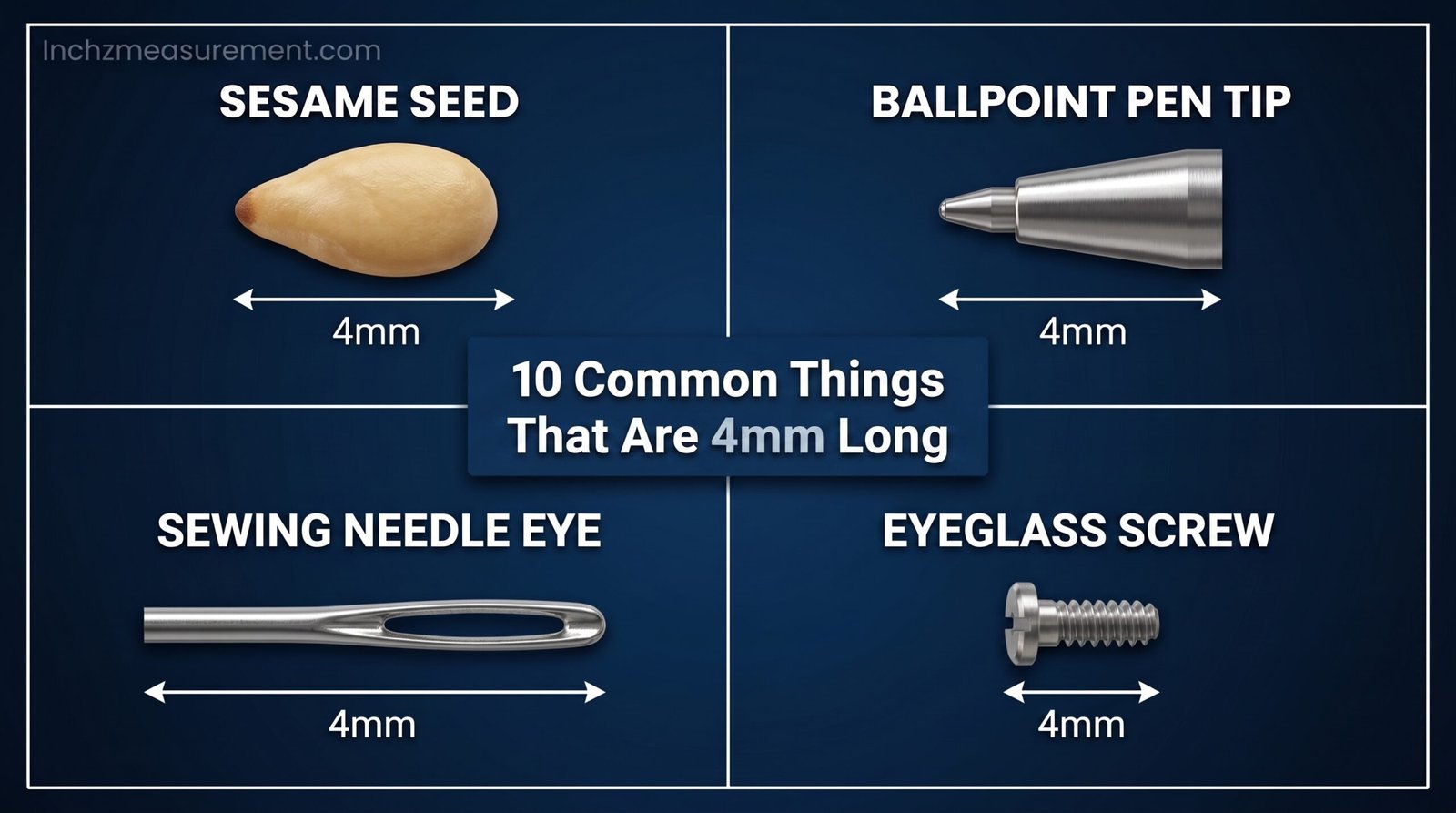
Have you ever wondered how long is 4mm in real life? Although 4 millimeters (4mm) is a very small measurement, it appears in many everyday objects, tools, and natural items. Since it is difficult to imagine such a tiny size without a ruler, comparing 4mm with familiar objects makes it much easier to understand.
A length of 4mm equals 0.4 centimeters, 0.157 inches, or 4,000 micrometers. It is commonly used in engineering, jewelry, electronics, medical equipment, crafts, and household items where precise measurements matter. Whether you’re checking the diameter of a screw, choosing a drill bit, or estimating the size of a seed, knowing what 4mm looks like can save time and improve accuracy.
In this guide, you’ll discover 14 common objects that are about 4mm long, along with interesting facts and practical examples. By the end of the article, you’ll have a much better idea of what 4mm actually looks like in everyday life.
How Big is 4mm?
A measurement of 4 millimeters may seem tiny, but it is surprisingly common. Here are a few quick comparisons:
- 0.4 centimeters
- 0.157 inches
- 4,000 micrometers
- About one-sixth of an inch
- Roughly the thickness of two stacked credit cards
Although small, this measurement is large enough to be easily seen with the naked eye and is often used in manufacturing, electronics, jewelry, medicine, and crafts.
14 Common Objects That Are About 4mm Long
Finding everyday objects that measure exactly 4mm can be challenging because it is such a small measurement. However, many common items are either very close to 4mm in length, width, or diameter, making them excellent visual references. From tiny jewelry beads and peppercorns to small drill bits, craft buttons, and precision screws, these objects help you understand what 4mm looks like without using a ruler. The following examples provide practical comparisons that make this tiny measurement much easier to recognize in daily life.
1. Four Sheets of Printer Paper Stacked Together
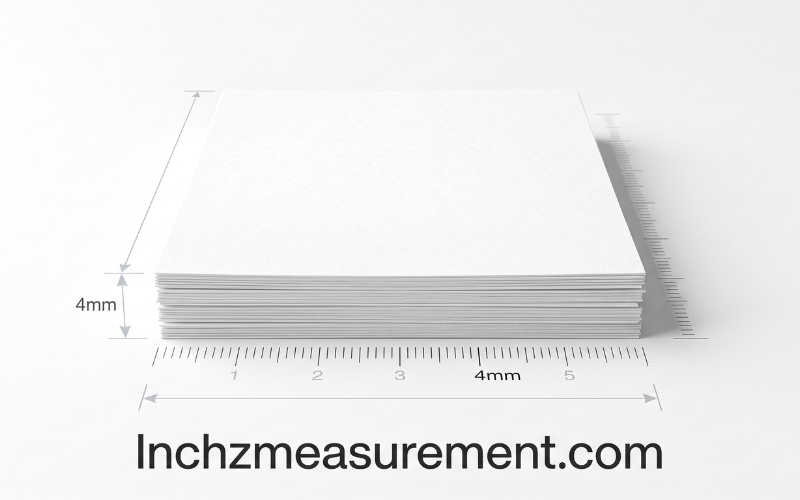
A single sheet of standard printer paper is approximately 0.1mm thick.
When you stack 40 sheets, the thickness becomes close to 4mm. This is one of the easiest ways to visualize the measurement at home.
Paper manufacturers maintain consistent thickness, making this comparison reliable for everyday estimation.
2. Diameter of a Small Jewelry Bead
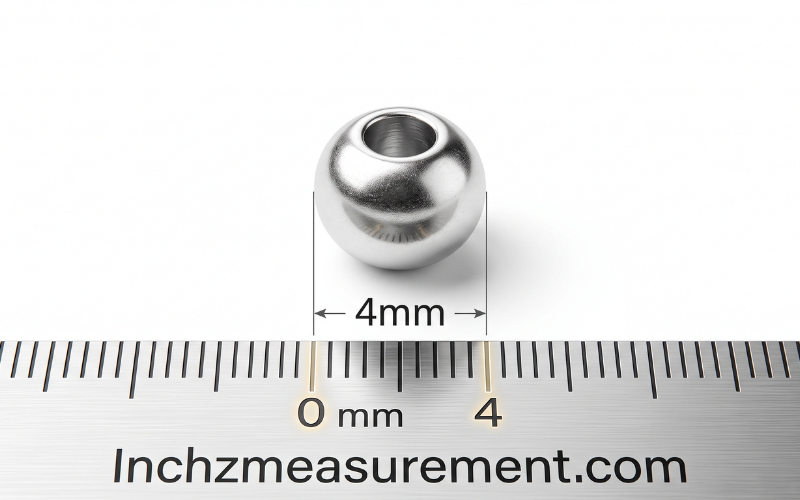
Many decorative glass or plastic beads used in bracelets and necklaces have a diameter of 4mm.
These beads are popular because they are small enough to create elegant designs while remaining visible and easy to thread.
Jewelry makers often choose 4mm beads for:
- Bracelets
- Necklaces
- Earrings
- DIY crafts
3. Peppercorn
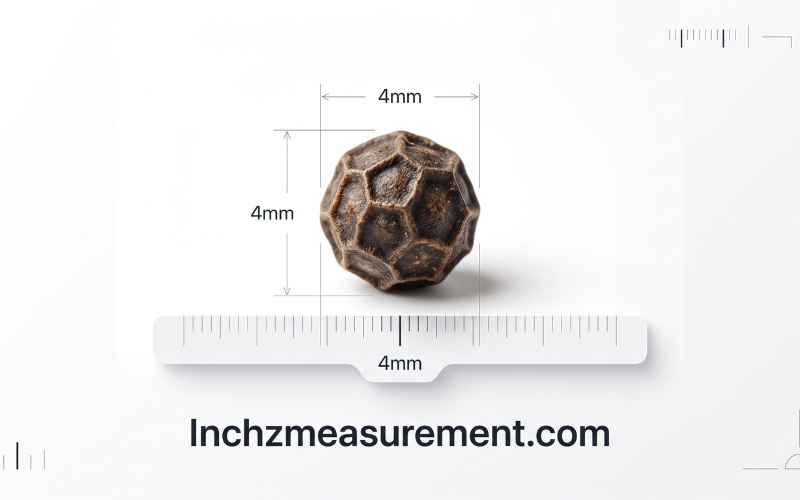
A typical black peppercorn measures around 4–5mm in diameter.
Although sizes vary slightly depending on the variety, many peppercorns are almost exactly 4mm across.
This makes them an excellent kitchen example of a 4mm object.
4. Pencil Lead Diameter
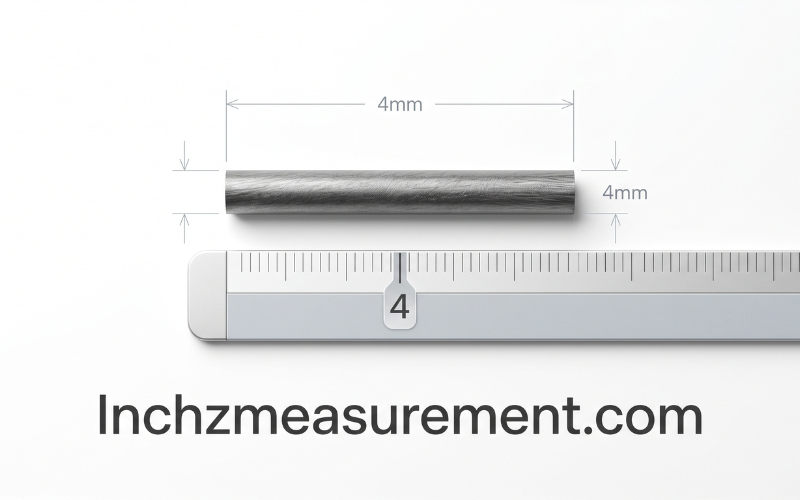
Some mechanical pencils use 4mm lead holders for sketching and artistic drawing.
Unlike common 0.5mm pencils, these thicker leads are designed for shading and bold lines.
Artists appreciate them because they last longer and produce darker strokes.
5. Tiny Craft Button
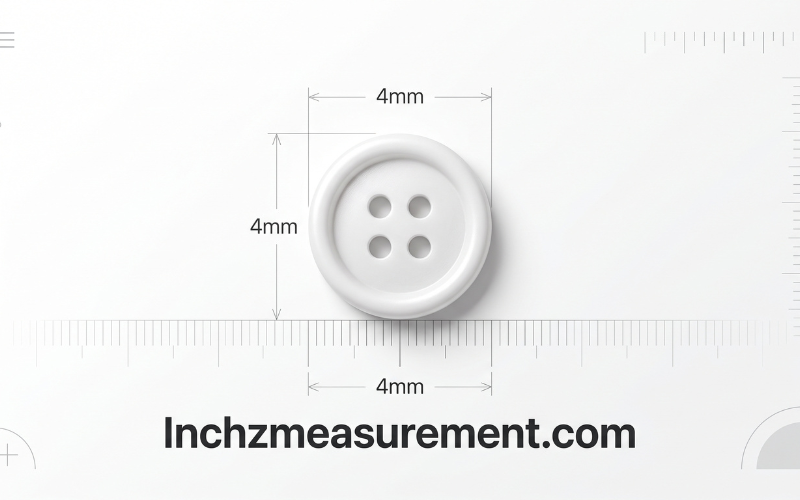
Miniature sewing buttons designed for dolls or decorative crafts often measure around 4mm.
These tiny buttons are frequently found in:
- Doll clothing
- Handmade decorations
- Miniature models
- Embroidery projects
Despite their small size, they contain working holes for thread.
6. Small Screw Diameter
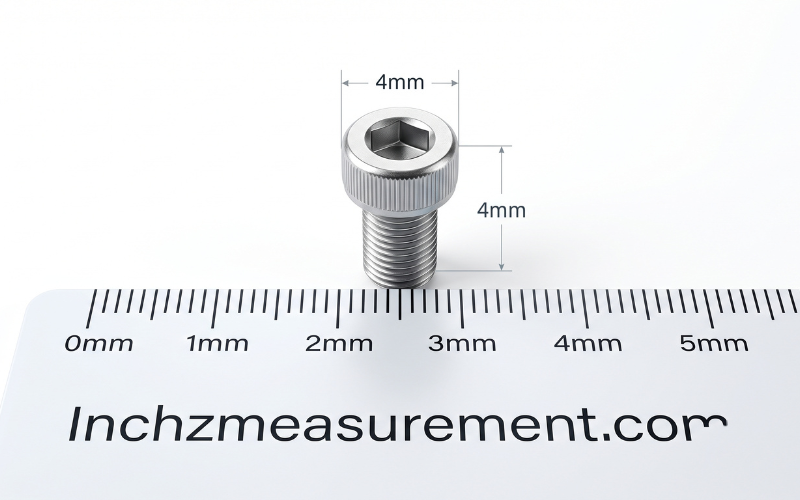
Many precision electronic screws have a shaft measuring approximately 4mm in diameter.
These screws are commonly used in:
- Furniture assembly
- Electronic devices
- Computer hardware
- Small appliances
Their compact size provides strength while fitting into tight spaces.
7. Green Pea Sprout Stem
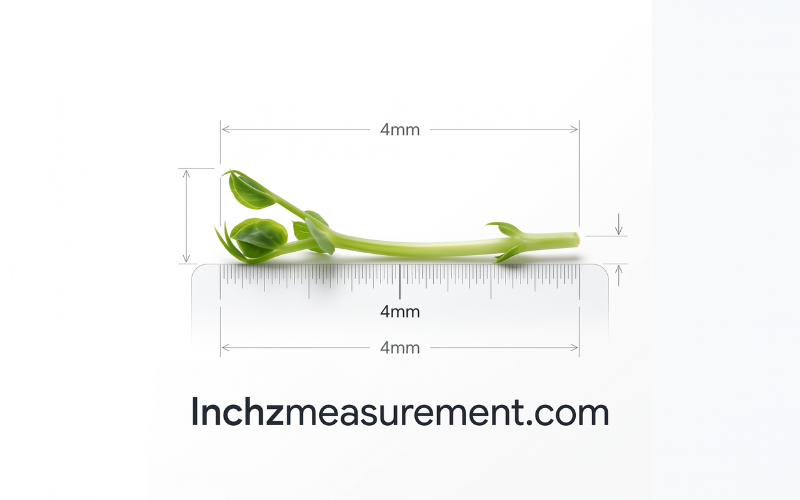
The thickness of a young pea sprout stem is often close to 4mm.
Gardeners frequently encounter stems of this size during the early growth stages.
Nature provides many useful references for understanding small measurements.
8. Plastic Straw Wall Thickness (Multiple Layers)
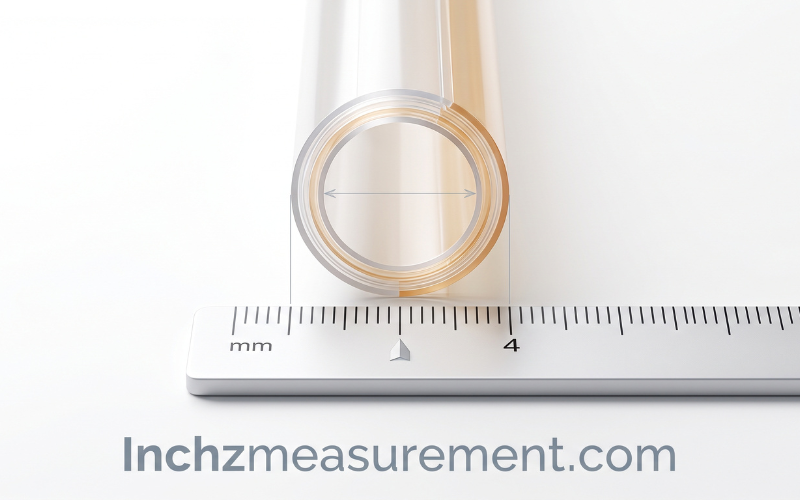
Although a drinking straw itself is wider than 4mm, folding or stacking its wall material several times creates a thickness close to 4mm.
This comparison is commonly used during classroom science demonstrations involving measurements.
9. Small Plastic Cable Tie Width
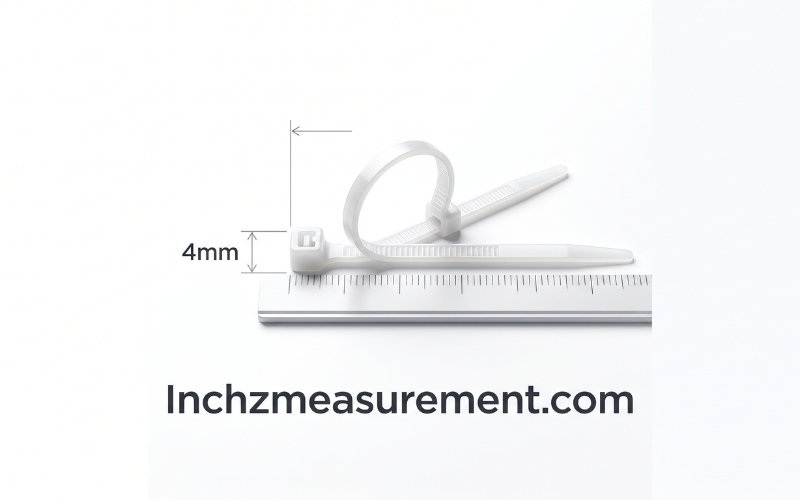
Many miniature cable ties designed for electronics have widths close to 4mm.
These ties are perfect for organizing:
- USB cables
- Charging cords
- Network wires
- Earphones
Their slim design makes them flexible while remaining durable.
10. Diameter of a Small Rivet
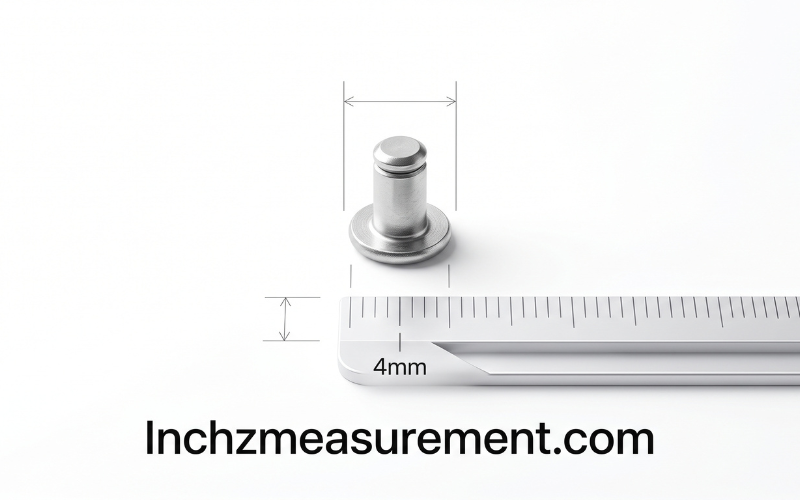
Tiny rivets used in lightweight metal projects often measure approximately 4mm across.
They are commonly found in:
- Leather crafting
- Aluminum panels
- Hobby projects
- Tool repairs
Their compact size allows strong fastening without adding much weight.
11. Tiny Aquarium Gravel Stone
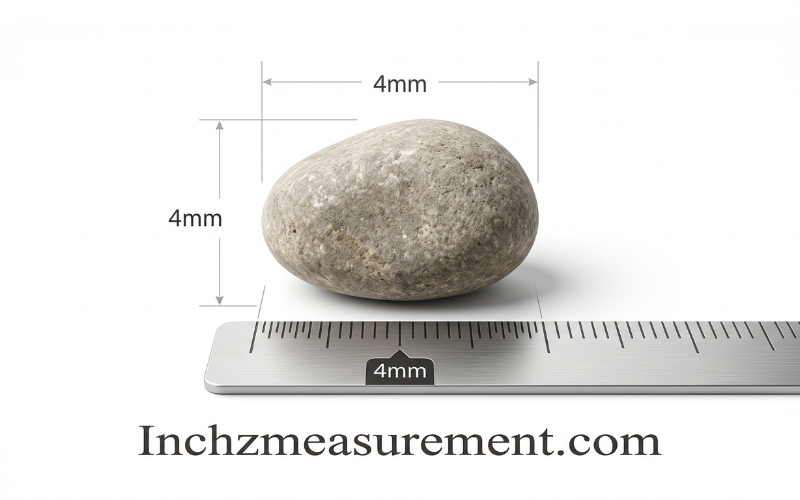
Many decorative aquarium gravel stones measure around 4mm.
These stones provide:
- Better water circulation
- Root support for plants
- Attractive decoration
- Stable surfaces for beneficial bacteria
Aquarium stores often classify gravel by millimeter size.
12. Mustard Seed Cluster
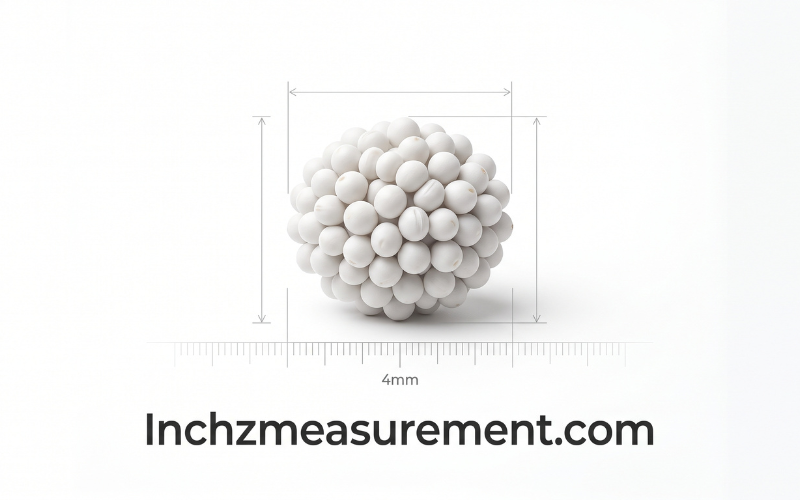
A single mustard seed is smaller than 4mm, but a tiny cluster of several seeds together reaches approximately this measurement.
This comparison helps demonstrate how small 4mm actually is using common kitchen ingredients.
13. Small Drill Bit Diameter
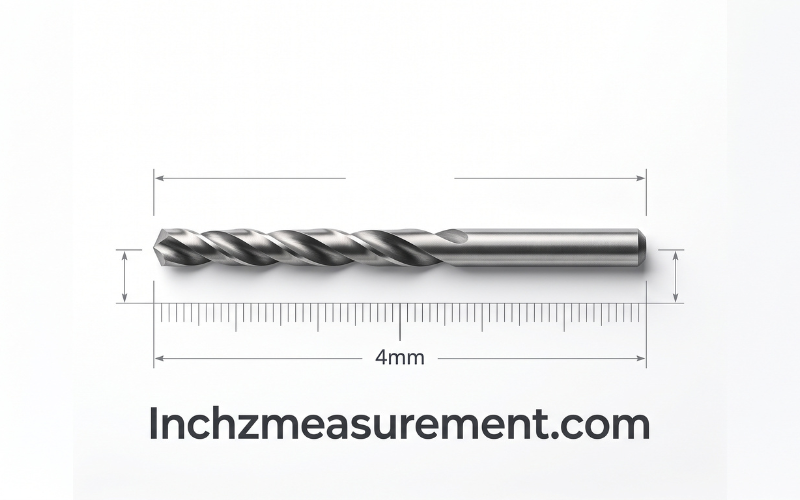
A 4mm drill bit is one of the most commonly used sizes for woodworking and light metal drilling.
DIY enthusiasts regularly use this size when installing:
- Wall anchors
- Shelves
- Hinges
- Small bolts
Most drill bit sets include a clearly labeled 4mm bit.
14. Thickness of Two Coins Stacked (Approximate)
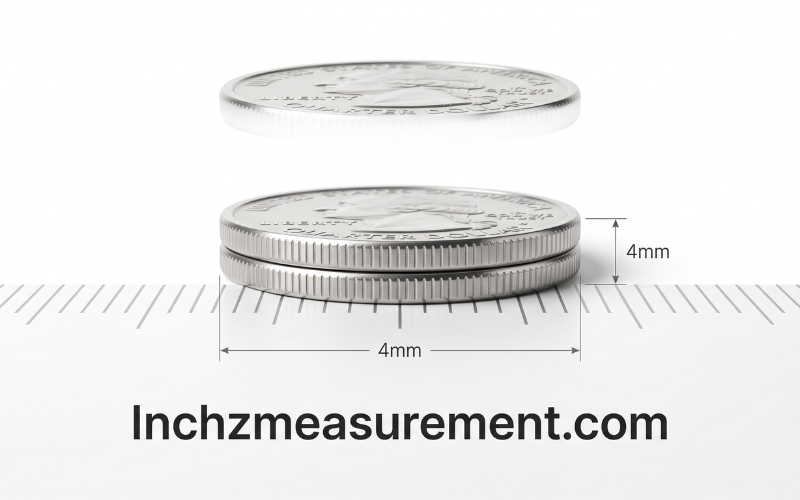
Depending on the country’s currency, stacking two thin coins often produces a combined thickness close to 4mm.
Although exact dimensions vary, this remains one of the easiest visual references available in everyday life.
Coins are convenient because almost everyone has access to them.
Why Knowing 4mm Matters
Understanding the size of 4mm can be useful in many real-life situations.
For example:
- Buying jewelry
- Measuring screws
- Choosing drill bits
- Selecting craft supplies
- Comparing gemstones
- DIY home improvement
- Engineering projects
- Electronics repair
Instead of reaching for a ruler every time, familiar objects provide quick visual estimates.
4mm Compared to Other Measurements
| Measurement | Comparison |
|---|---|
| 1mm | Four times smaller than 4mm |
| 2mm | Half of 4mm |
| 3mm | Slightly smaller than 4mm |
| 4mm | Reference measurement |
| 5mm | Slightly larger than 4mm |
| 10mm | Two and a half times larger |
| 1cm | Equals 10mm |
Easy Ways to Measure 4mm Without a Ruler
If you don’t have a ruler nearby, try these simple methods:
- Compare with a 4mm drill bit
- Look at a 4mm jewelry bead
- Use a peppercorn
- Compare with a mini craft button
- Observe a small cable tie width
These references help estimate 4mm quickly.
Where Is 4mm Used?
The 4mm measurement appears in many industries.
Construction
Used for screws, drill bits, and fasteners.
Jewelry
Popular bead and gemstone size.
Electronics
Found in connectors, cables, and precision components.
Medical Equipment
Used for surgical tools and tubing.
DIY Crafts
Ideal for beads, buttons, and decorative items.
Fun Facts About 4mm
- 4mm equals 0.157 inches.
- It is 4,000 micrometers.
- Many gemstones are measured in millimeters.
- Engineers often work with 4mm tolerances.
- It is one of the most common drill bit sizes worldwide.
- Small electronics frequently use components around this size.
Frequently Asked Questions
How long is 4mm?
A 4mm measurement equals 0.4 centimeters, 0.157 inches, or 4,000 micrometers. It is a small but commonly used size in everyday objects and tools.
What are some common objects that are about 4mm long?
Some common examples include a 4mm jewelry bead, a black peppercorn, a 4mm drill bit, a miniature craft button, small aquarium gravel, and precision screws.
Is 4mm bigger than 3mm?
Yes. 4mm is exactly 1 millimeter larger than 3mm, making it about 33% longer.
How can I measure 4mm without a ruler?
You can estimate 4mm by comparing it to a 4mm drill bit, a small jewelry bead, a peppercorn, or a tiny craft button, which are all close to this size.
What is 4mm in centimeters?
4mm equals 0.4 centimeters (cm).
What is 4mm in inches?
4mm is equal to approximately 0.157 inches, which is just under one-sixth of an inch.
Where is the 4mm measurement commonly used?
The 4mm measurement is widely used in jewelry making, construction, electronics, DIY projects, crafts, engineering, and medical equipment.
Why is understanding 4mm useful?
Knowing the size of 4mm helps when choosing screws, drill bits, beads, gemstones, craft materials, and other small components, making it easier to estimate measurements without always using a ruler.
- How Long is 18 Inches? 10 Common Objects That Are 18 Inches Long
- How Long is 19 Inches? 10 Common Things That Are 19 Inches Long
- How Long is 20 Inches? 10 Common Objects That Are 20 Inches Long
Conclusion
Knowing how long is 4mm becomes much easier when you compare it with familiar objects. Although it is a tiny measurement, 4mm is widely used in everyday life—from jewelry beads and peppercorns to drill bits, craft supplies, aquarium gravel, and precision screws. These comparisons help you estimate small dimensions without always needing a ruler.
Whether you’re working on a DIY project, shopping for accessories, repairing electronics, or simply satisfying your curiosity, understanding the real-world size of 4mm can make measurements more practical and intuitive. The next time you encounter a 4mm specification, you’ll have plenty of everyday references to picture its exact size.