
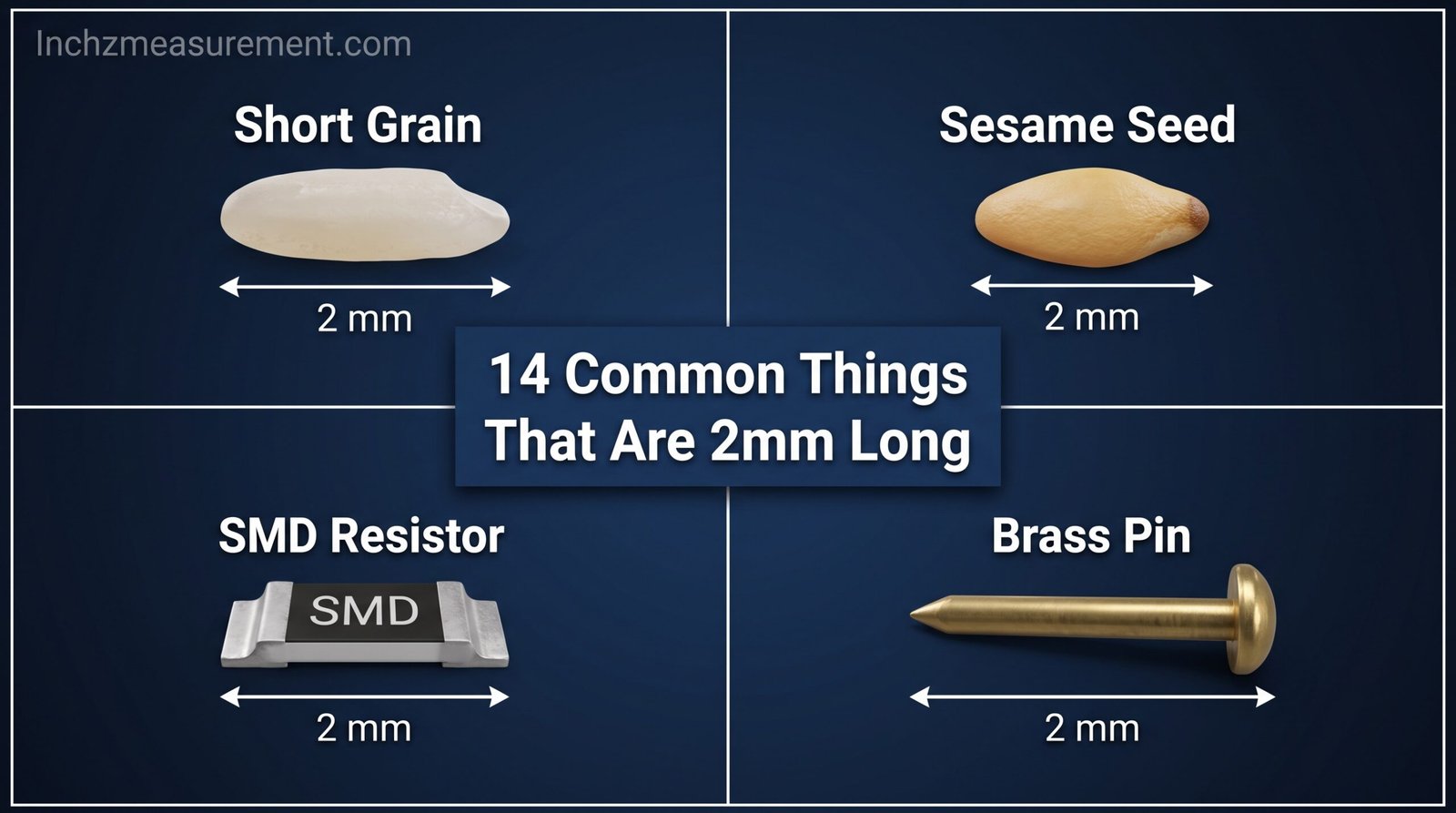
How Long is 2mm? Although 2 millimeters is an extremely small measurement, it appears in many everyday objects that we use without even noticing. Whether you’re working on a DIY project, buying jewelry, measuring craft materials, or helping children understand metric measurements, knowing what 2mm looks like can be surprisingly useful.
Since 2mm is too small to imagine on its own, comparing it with familiar objects is the easiest way to understand its size. Throughout this article, you’ll discover 14 common objects that are about 2 millimeters long or thick, along with practical examples, measurement conversions, and useful tips.
By the end of this guide, you’ll be able to estimate a 2mm measurement confidently without always needing a ruler.
What is 2mm?
A millimeter (mm) is a unit of length in the metric system. It is commonly used to measure very small objects or thicknesses.
2mm Equals:
| Measurement | Value |
|---|---|
| Millimeters | 2 mm |
| Centimeters | 0.2 cm |
| Meters | 0.002 m |
| Inches | 0.0787 in |
| Micrometers | 2,000 µm |
Two millimeters is about one-fifth of a centimeter. While it seems tiny, many everyday products are manufactured with dimensions close to this size.
Why Understanding 2mm is Important
Knowing the size of 2mm can help in many situations, including:
- Buying jewelry with the correct stone size
- Measuring screws and drill bits
- Arts and crafts projects
- Electronics repairs
- School science activities
- DIY home improvements
- Product comparisons while shopping
Being able to estimate such a small measurement saves time and improves accuracy in many daily tasks.
14 Common Objects That Are About 2mm Long
Although 2mm is a very small measurement, it appears in many everyday objects that we often overlook. Comparing 2mm to familiar items makes it much easier to understand and estimate this tiny length without using a ruler. From thick mechanical pencil lead and heavy guitar picks to jewelry spacer beads, rubber gaskets, and plastic cable ties, these common objects provide practical real-world references. While the exact dimensions may vary slightly between manufacturers, each example offers a close approximation of 2 millimeters, helping students, DIY enthusiasts, crafters, and anyone working with precise measurements visualize this small but important size.
1. Thick Mechanical Pencil Lead
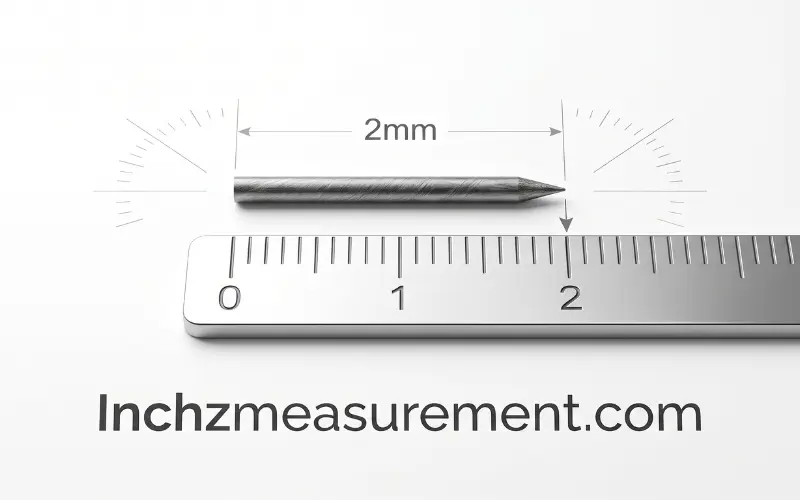
One of the easiest ways to understand 2mm is by looking at a thick mechanical pencil lead. Unlike standard 0.5mm or 0.7mm leads, some sketching and drafting pencils use 2mm lead, making this one of the most accurate real-life examples.
Artists and architects often prefer these thicker leads because they are durable and produce darker lines. If you’ve ever used a professional sketching pencil, you’ve probably already seen a perfect example of 2mm.
2. Thick Guitar Pick
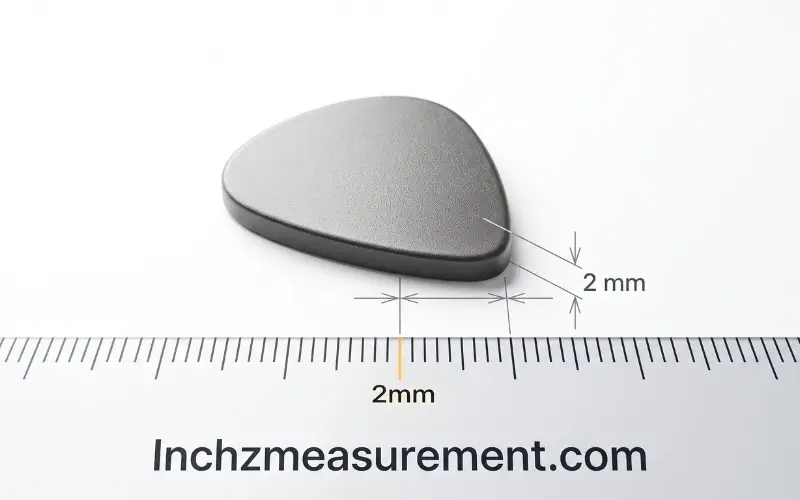
Many heavy guitar picks are approximately 2mm thick.
These picks are commonly used by electric guitar players because they provide excellent control and precision. Compared to thinner picks, a 2mm pick bends very little, allowing musicians to play fast solos and detailed notes more easily.
If you own a heavy guitar pick, you already have a convenient reference for visualizing 2mm.
3. Two Standard Credit Cards Stacked Together
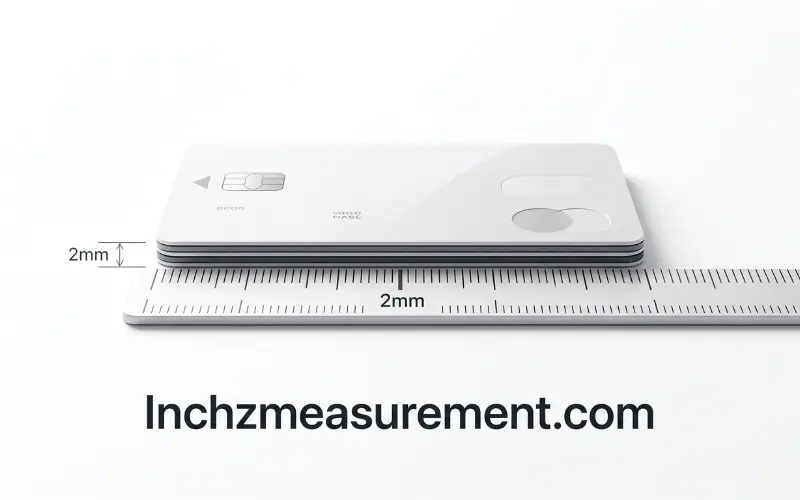
A single credit card is usually around 0.8mm thick.
When you stack two standard cards together, the total thickness is close to 1.6–2mm, depending on the card type.
This makes stacked cards a simple household reference that almost everyone can use without purchasing measuring tools.
4. Thick Craft Foam Sheet
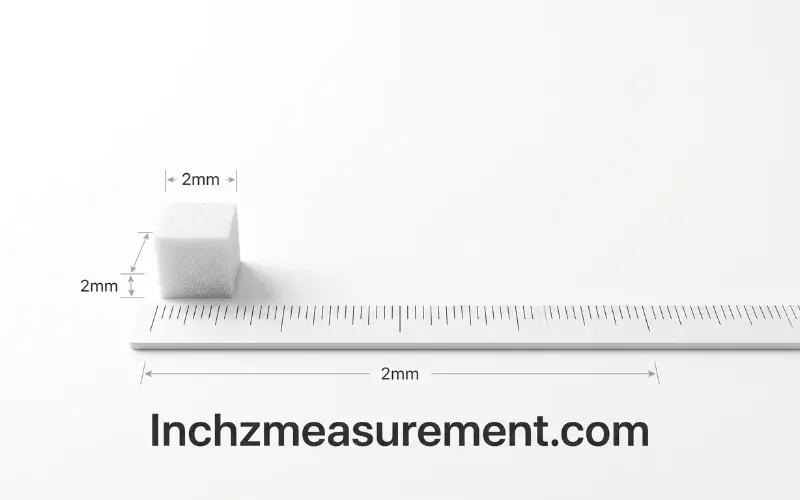
Many foam sheets used in children’s crafts and school art projects are manufactured in 2mm thickness.
These foam sheets are lightweight, colorful, and easy to cut into shapes. Because they are sold in standard thicknesses, they provide another excellent way to understand what 2mm feels like in your hand.
Teachers and hobbyists frequently use them for decorations, signs, greeting cards, and educational activities.
5. Rubber Gasket
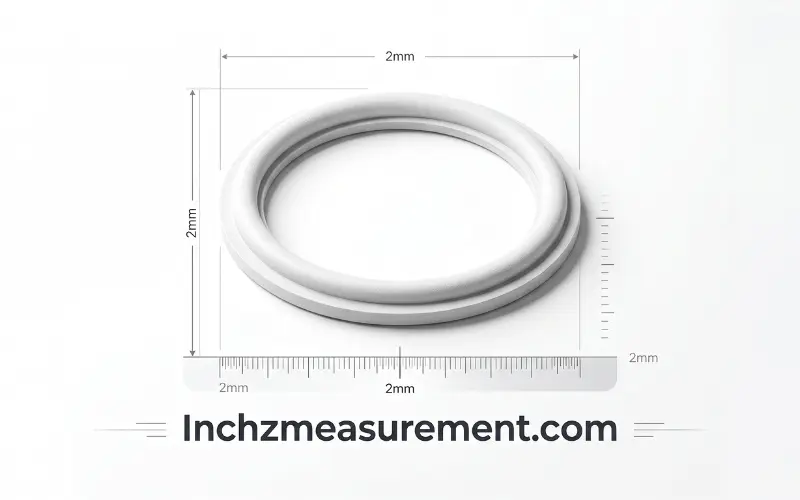
Small rubber gaskets used in plumbing, water bottles, and household appliances often measure approximately 2mm thick.
Although the diameter varies depending on the product, many manufacturers produce gaskets with this thickness because it creates an effective seal without making the component too bulky.
If you’ve ever replaced a faucet washer or repaired a bottle lid, you’ve likely handled an object close to 2mm thick.
6. Edge of a Thick Plastic Ruler
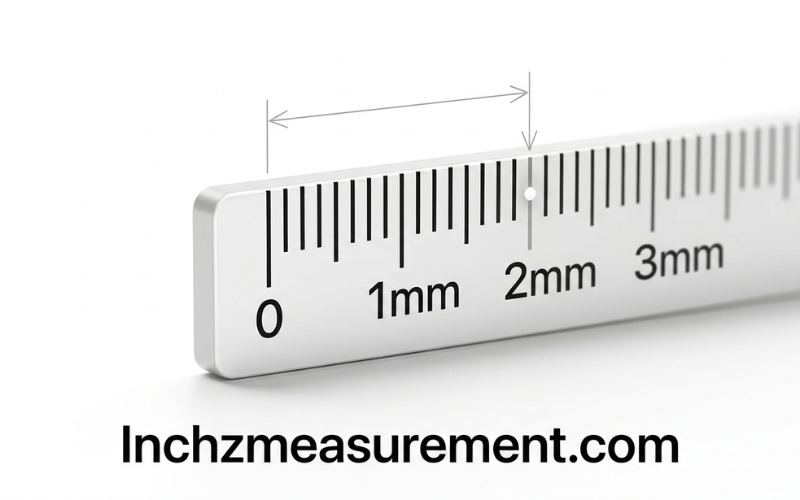
Some heavy-duty plastic rulers have an edge or body thickness of approximately 2mm. While the ruler’s length is much greater, its thickness offers a useful visual reference for understanding this tiny measurement.
Plastic rulers are commonly found in schools, offices, and homes. If you look at the side of a sturdy ruler, you’ll notice that it is only a couple of millimeters thick. This makes it a convenient everyday item for comparing the size of 2mm without needing specialized tools.
7. Smartphone SIM Card Tray
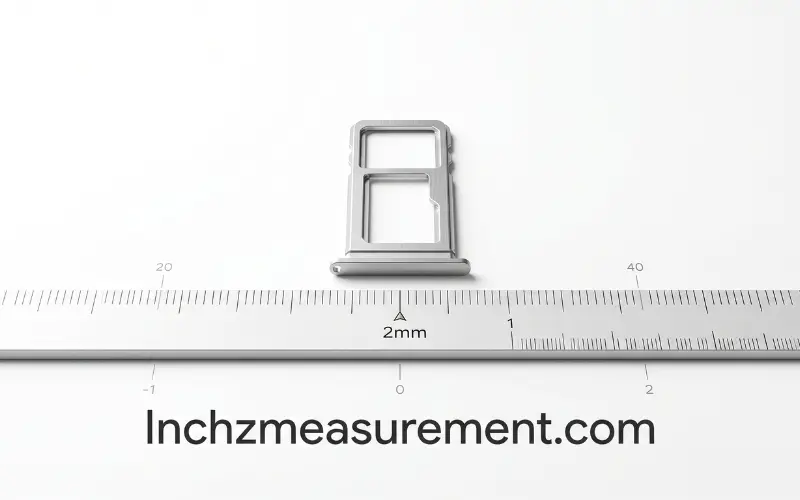
The metal edge of a smartphone SIM card tray is often close to 2mm thick. Although the exact measurement varies by manufacturer, many modern smartphones use trays with a similar thickness to provide strength while keeping the device slim.
If you’ve ever removed your phone’s SIM tray using a SIM eject tool, you’ve handled an object that’s a good example of a 2mm measurement. It’s a small but practical comparison that many people can relate to.
8. Thick Plastic Cable Tie
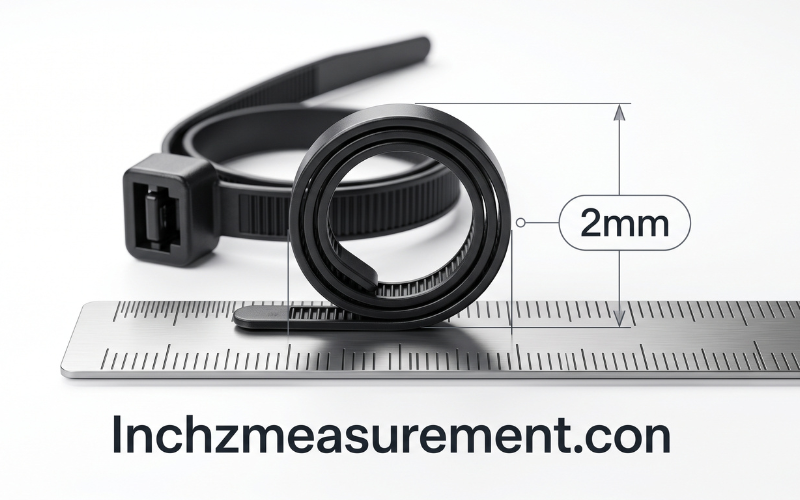
Heavy-duty cable ties, also known as zip ties, often have a thickness of around 2mm. These are commonly used for organizing electrical cables, securing garden equipment, or bundling tools together.
Because cable ties need to be flexible yet durable, manufacturers often produce them in thicknesses close to 2mm. Holding one between your fingers gives you a clear idea of how small—but still noticeable—this measurement is.
9. Small Jewelry Spacer Bead
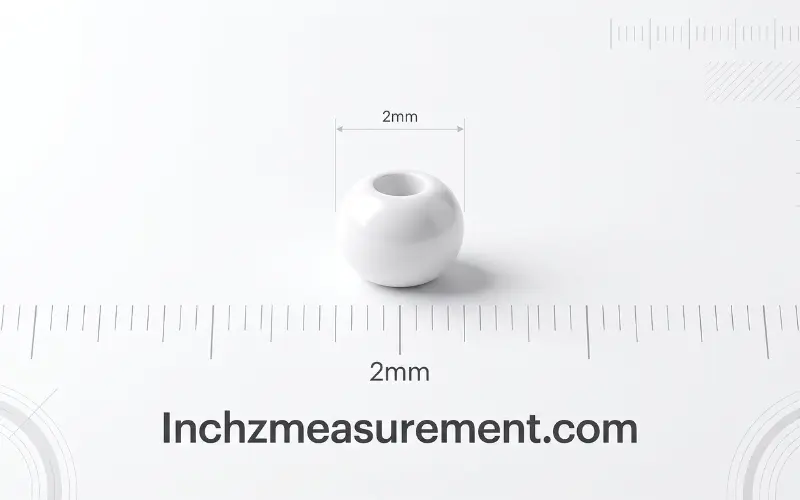
Many jewelry spacer beads used in bracelets and necklaces measure approximately 2mm in diameter.
These tiny beads are popular in handmade jewelry because they create decorative spacing between larger beads. Jewelry makers frequently work with 2mm spacers when designing elegant bracelets, necklaces, and earrings.
If you’ve ever seen delicate beaded jewelry, chances are you’ve looked at several 2mm beads without realizing their size.
10. Thin Plastic Washer
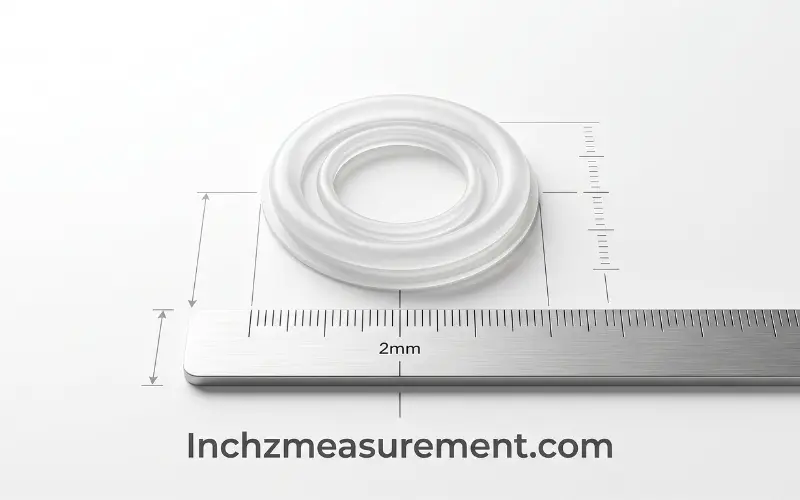
Plastic washers used in electronics, toys, and light mechanical assemblies are often around 2mm thick.
Washers help distribute pressure, reduce friction, and protect surfaces from damage. Even though they are small components, their thickness is carefully chosen for the job they perform.
Because they are manufactured with consistent dimensions, they provide another reliable example of what 2mm looks like in everyday products.
11. LEGO Brick Wall Thickness
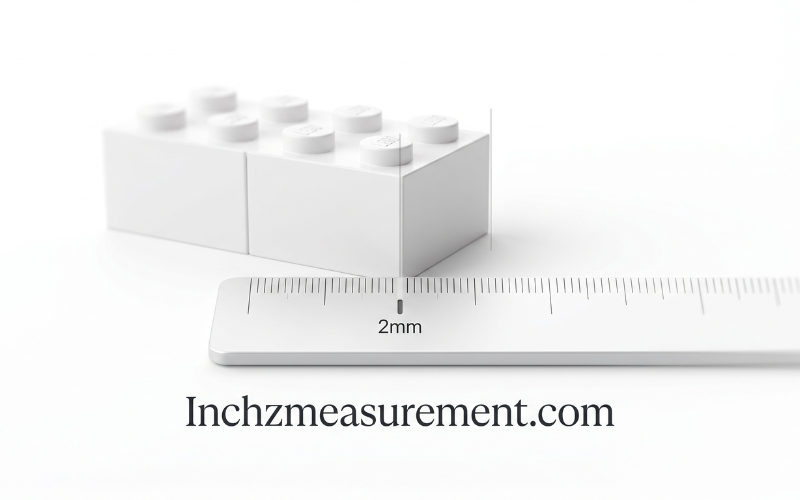
Although a complete LEGO brick is much larger than 2mm, certain sections of its plastic walls are approximately 2mm thick. LEGO pieces are designed with incredible precision so they fit together securely while remaining easy to separate.
This makes LEGO an excellent example of how manufacturers use tiny measurements like 2mm to create durable and accurate products. If you have LEGO bricks at home, look closely at the side wall—you’ll see just how thin and precise the plastic is.
12. Thin Notebook Cover
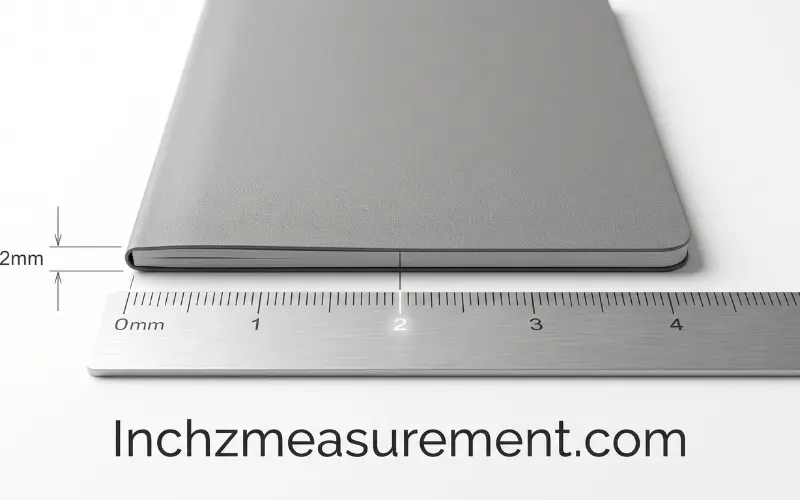
Some lightweight notebooks have plastic or cardboard covers that measure close to 2mm thick. These covers are sturdy enough to protect the pages while remaining flexible and easy to carry.
Students, teachers, and office workers use notebooks every day, making this another familiar reference for understanding a 2mm thickness.
13. Watch Strap Spring Bar
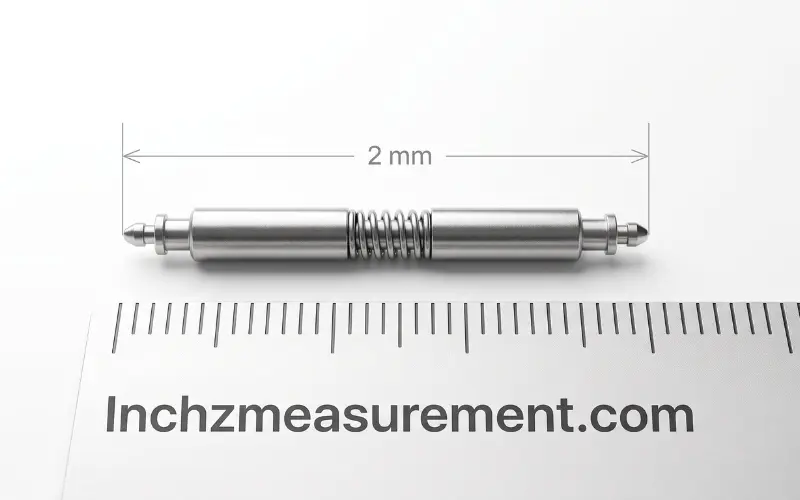
A spring bar is the small metal pin that connects a watch strap to the watch case. Many spring bars have a diameter of approximately 2mm.
Despite their tiny size, these pins are strong enough to keep a watch securely attached to your wrist. This demonstrates how even very small measurements can be critical in product design and durability.
14. Small Silicone Seal
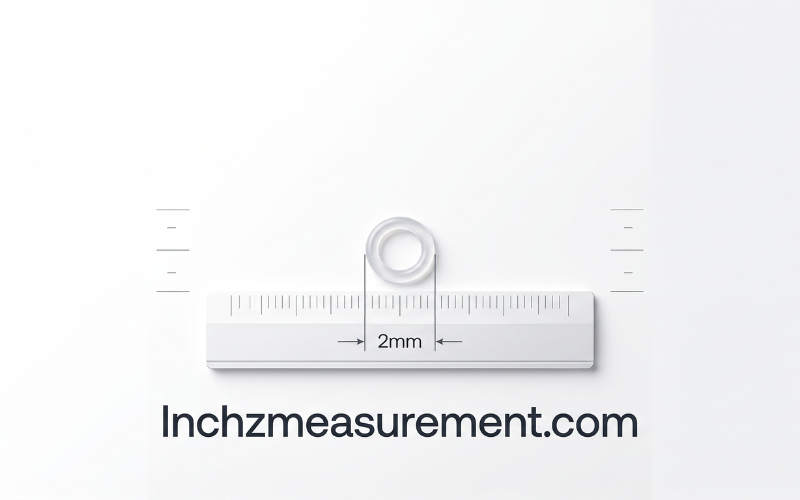
Many reusable water bottles, coffee mugs, and food containers contain silicone sealing rings that are around 2mm thick. These seals prevent leaks while allowing lids to open and close smoothly.
Although users rarely notice these tiny components, they play an essential role in keeping containers airtight and spill-resistant. They are another practical example of where a 2mm measurement is commonly found.
How to Measure 2mm Accurately
If you need to measure exactly 2mm, here are some reliable methods:
1. Use a Metric Ruler
A metric ruler includes millimeter markings. Simply measure from the 0 mark to the 2mm mark for an accurate reference.
2. Use Digital Calipers
Digital calipers provide precise measurements and are commonly used in engineering, woodworking, jewelry making, and DIY projects.
3. Compare with Known Objects
If you don’t have measuring tools, compare the item with everyday objects that are approximately 2mm thick, such as a 2mm mechanical pencil lead or a heavy guitar pick.
2 mm Measurement Conversion Chart
| Measurement | Value |
|---|---|
| Millimeters | 2 mm |
| Centimeters | 0.2 cm |
| Meters | 0.002 m |
| Inches | 0.0787 in |
| Micrometers | 2,000 µm |
Frequently Asked Questions
How big is 2mm in inches?
2mm is approximately 0.0787 inches, or just under one-tenth of an inch.
Is 2mm easy to see?
Yes. While it is very small, 2mm is clearly visible to the naked eye.
How many millimeters are in one centimeter?
There are 10 millimeters in one centimeter, so 2mm equals 0.2 centimeters.
What household items are about 2mm thick?
Examples include thick mechanical pencil lead, heavy guitar picks, craft foam sheets, plastic cable ties, notebook covers, and silicone seals.
Is 2mm used in jewelry?
Yes. Many spacer beads, gemstones, jump rings, and wire sizes are available in 2mm dimensions.
What tool is best for measuring 2mm?
Digital calipers provide the most accurate measurement, while a metric ruler is sufficient for everyday use.
Why is understanding 2mm useful?
Knowing this measurement helps with DIY projects, crafts, repairs, engineering, shopping, and educational activities where precision matters.
- How Long is 15 Inches? 10 Common Things That Are 15 Inches Long
- How Long is 16 Inches? 10 Common Objects That Are 16 Inches Long
- How Long is 17 Inches? 10 Common Things That Are 17 Inches Long
Conclusion
Although 2 millimeters may seem like an insignificant measurement, it appears in countless products that we use every day. From mechanical pencil leads and guitar picks to jewelry beads, watch pins, and silicone seals, these familiar objects make it much easier to visualize this tiny length.
2mm can improve your ability to estimate measurements, choose the right materials for projects, and appreciate the precision involved in manufacturing everyday items. Whether you’re a student, hobbyist, DIY enthusiast, or professional, recognizing what 2mm looks like is a practical skill that can save time and improve accuracy.