
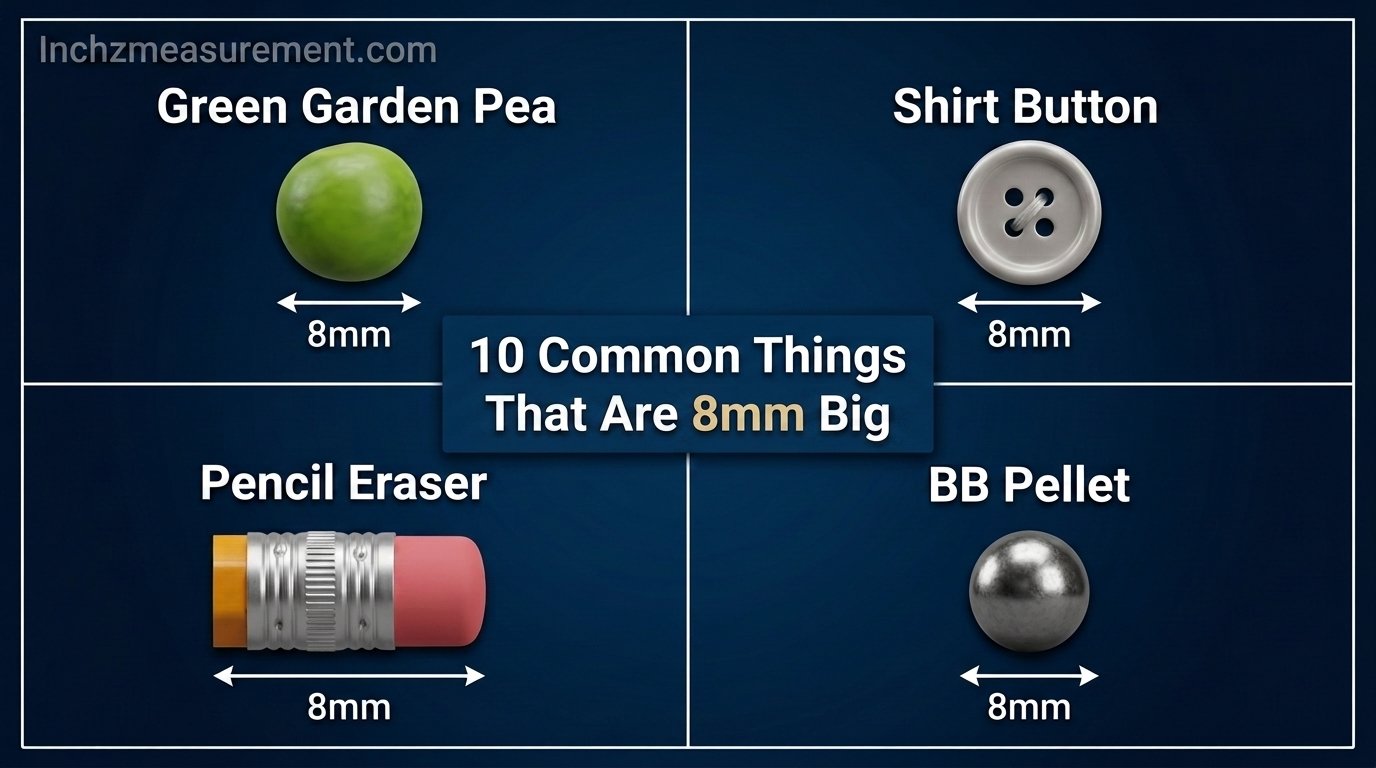
How Big is 8mm? This tiny measurement equals 0.8 centimeters or 0.315 inches, making it smaller than the width of a standard pencil eraser but large enough to appear in many everyday items. Without a ruler, judging 8mm by sight can be surprisingly difficult because the difference between 7mm, 8mm, and 10mm is easy to overlook.
Looking at familiar objects provides a much clearer sense of this size than numbers alone. From hardware and jewelry to stationery and household accessories, many everyday products measure about 8mm in one dimension. These real-world examples make it easier to estimate 8mm accurately whether you’re shopping online, working on a DIY project, or simply satisfying your curiosity.
8mm Conversion Table
| Unit | Value |
| Millimeters | 8 mm |
| Centimeters | 0.8 cm |
| Inches | 0.315 in |
| Meters | 0.008 m |
| Feet | 0.026 ft |
14 Common Objects That Are About 8mm Big
Many everyday items measure about 8mm in diameter, width, or thickness, even though we rarely notice their exact size. From hardware and jewelry to stationery, clothing, and household accessories, this small measurement appears in a wide variety of products. Comparing 8mm with familiar objects is one of the easiest ways to visualize its size without using a ruler, especially when shopping online, completing DIY projects, or working with precision tools.
1. An 8mm Socket
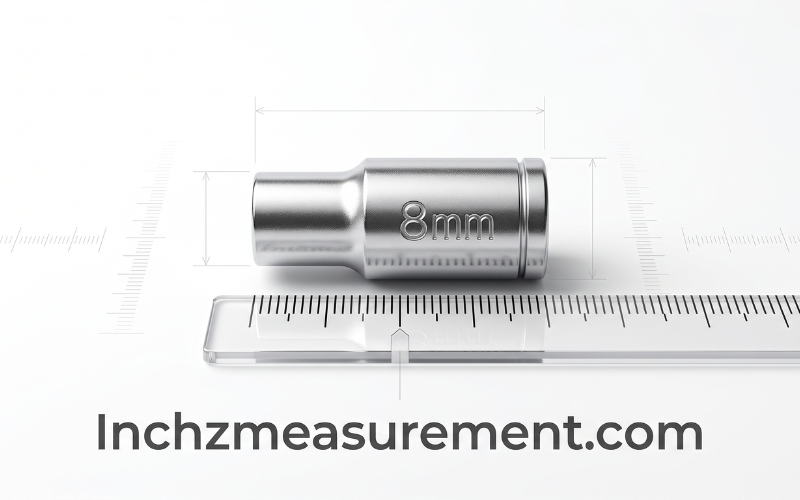
Mechanics reach for an 8mm socket when working on bicycles, motorcycles, lawn equipment, and many household appliances. It is one of the standard sizes included in nearly every metric socket set.
The opening is designed to fit an 8mm hex-head fastener, giving you a clear idea of how wide this measurement really is.
2. A Round Pencil Eraser
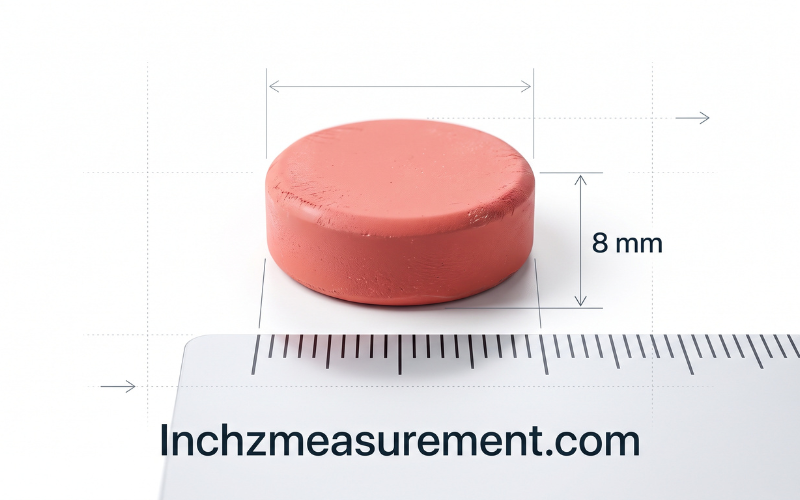
The eraser attached to many wooden pencils measures close to 8mm in diameter before it begins to wear down. Although brands differ slightly, this size is common enough to make the eraser a handy everyday comparison.
As the eraser gets shorter through use, its width changes very little.
3. An 8mm Glass Marble
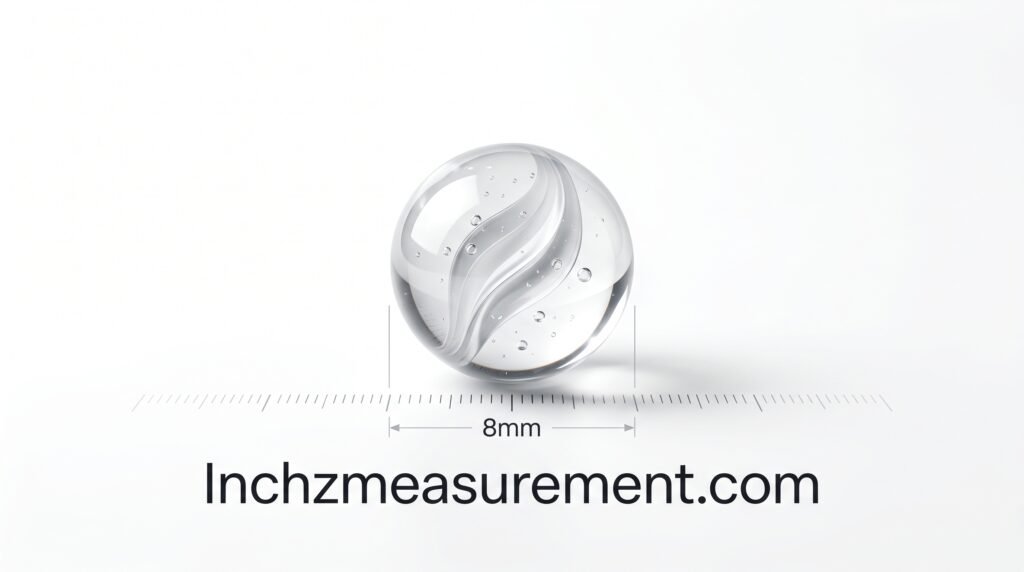
Many toy marbles are manufactured in several standard diameters, and 8mm is one of the smaller sizes available. These miniature marbles are often sold in craft stores and hobby kits rather than traditional playground marble sets.
Their polished surface makes the small size easy to notice when placed beside a coin.
4. A Pearl Used in Jewelry
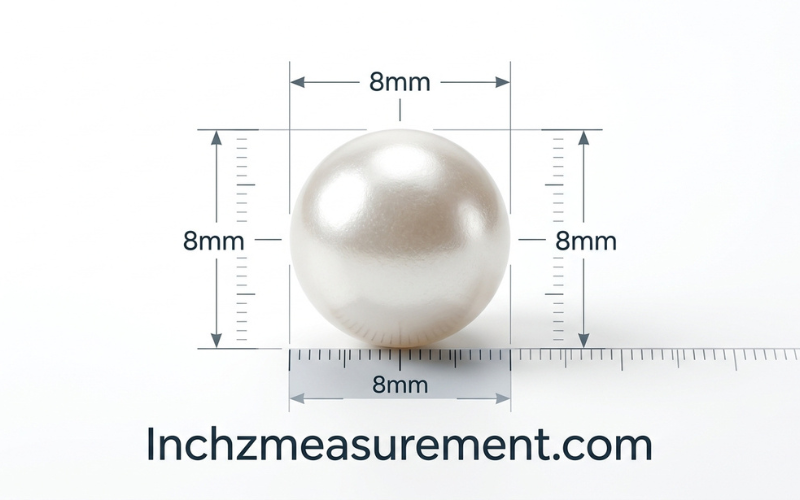
Freshwater pearls are commonly sold in sizes ranging from 4mm to 12mm. An 8mm pearl is considered a medium size that works well for earrings, bracelets, and elegant necklaces.
Because cultured pearls are carefully graded, jewelers can match beads of nearly identical diameter in the same strand.
5. The Hole in Some Cabinet Handles
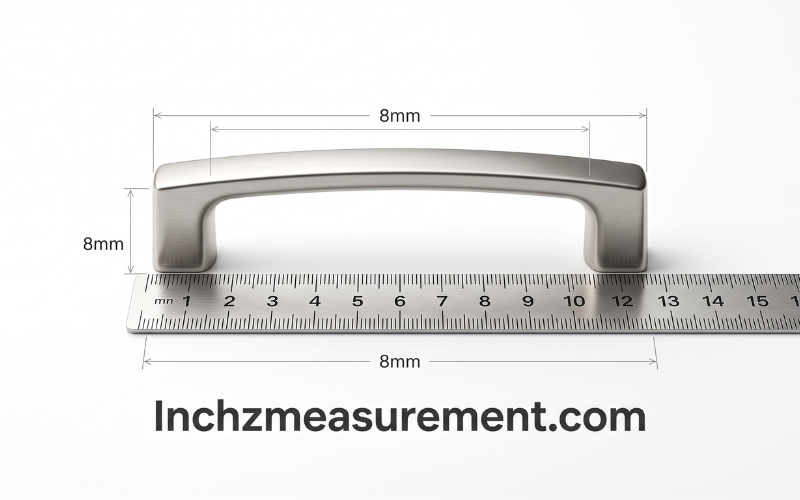
Many cabinet pulls are secured with machine screws that pass through an opening measuring about 8mm. This extra clearance allows the hardware to line up correctly during installation.
The visible opening disappears once the screw and fitting are tightened into place.
6. A Large Shirt Button
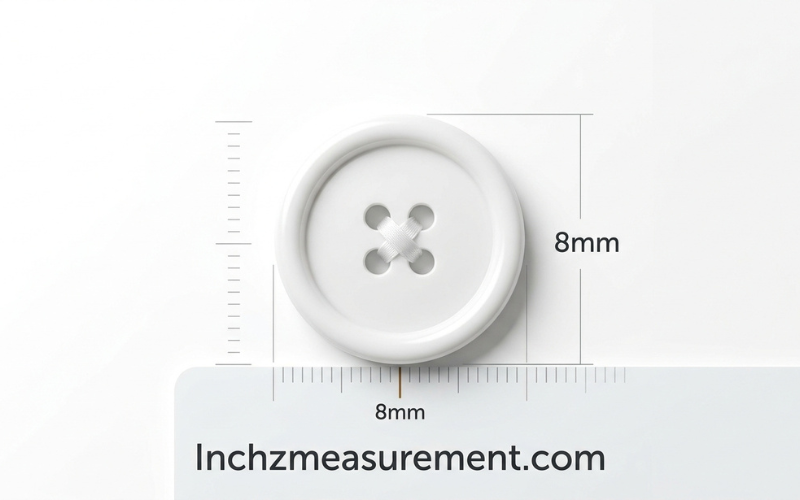
Buttons come in dozens of standardized sizes. A small decorative button might measure only a few millimeters, while a larger shirt or cardigan button can be close to 8mm across.
This size is large enough to grip comfortably without looking oversized on lightweight clothing.
7. A Silicone Vacuum Seal Ring
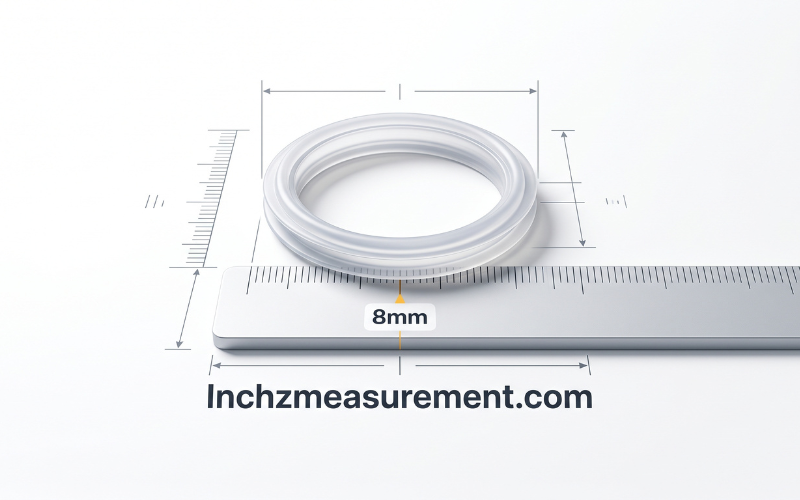
Compact kitchen appliances, reusable drink bottles, and travel mugs often contain silicone sealing rings. Some replacement rings have an inside diameter close to 8mm, helping prevent liquid or air from escaping.
Even a slight difference in diameter can affect how tightly the seal fits.
8. An M8 Flat Washer
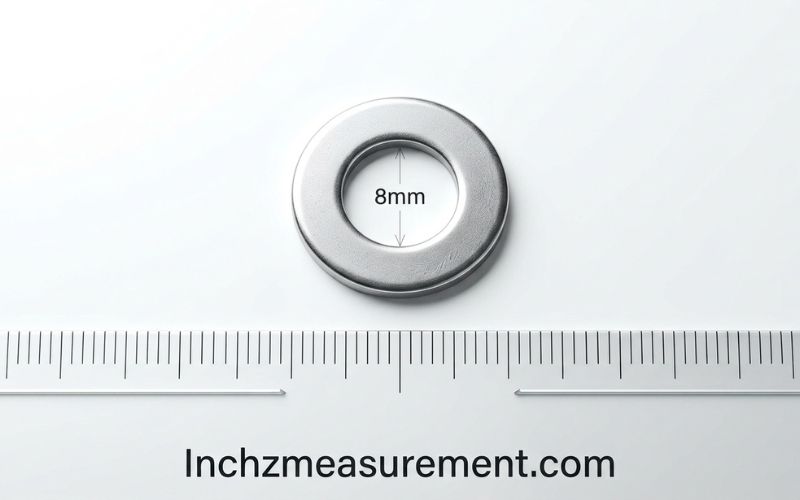
An M8 flat washer is designed for an 8mm bolt, but its center hole is made slightly larger so the bolt slides through without binding. This tiny amount of clearance is intentional and helps during assembly.
Washers like these spread pressure over a wider surface, reducing the chance of damaging the material beneath the bolt head.
9. A LEGO® Technic Axle
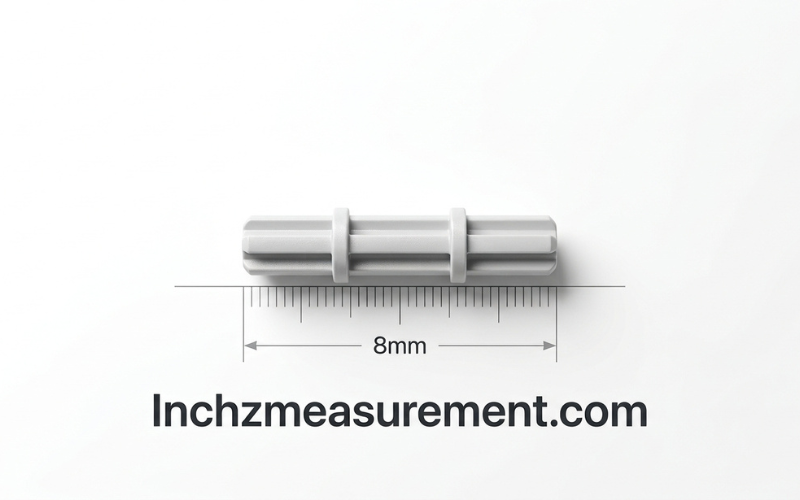
Many LEGO Technic models use cross-shaped axles with standardized dimensions. The outside diameter is close to 8mm, allowing gears, wheels, and connectors to fit together consistently across thousands of different sets.
That standardization is one reason older Technic pieces remain compatible with modern collections.
10. An 8mm Wooden Dowel
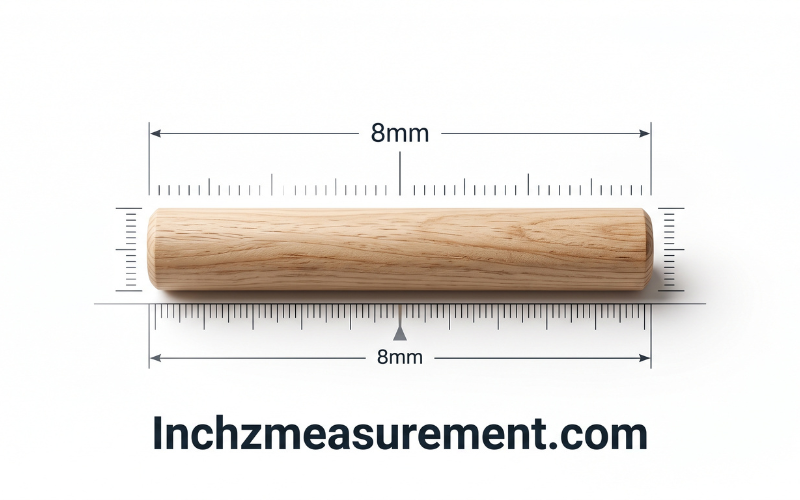
Furniture makers frequently use 8mm wooden dowels to join two pieces of wood without visible screws. Holes are drilled into matching panels, glue is applied, and the dowel locks both pieces into position.
Flat-pack furniture from several manufacturers relies on this size because it balances strength with ease of installation.
11. A Standard Drinking Straw Opening
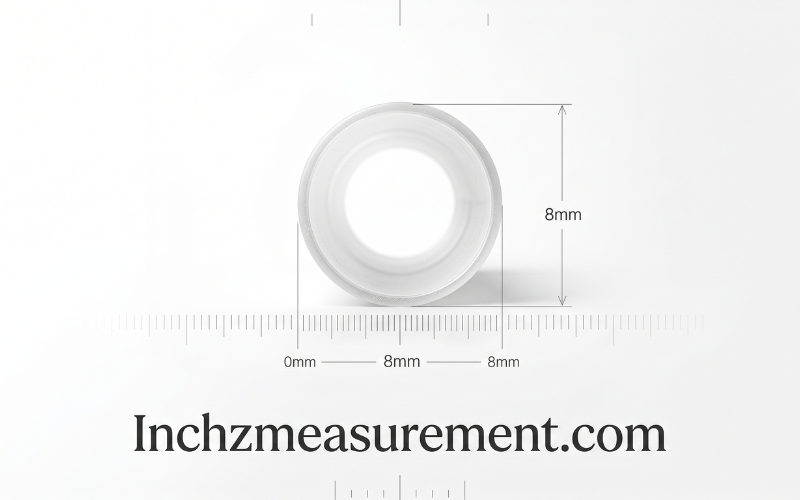
The inside diameter of many reusable plastic straws falls close to 8mm, making them suitable for water, juice, and soft drinks. Smoothies usually require a noticeably wider straw.
The wider opening also makes reusable straws easier to clean with a small brush.
12. A Medium Silicone Earbud Tip
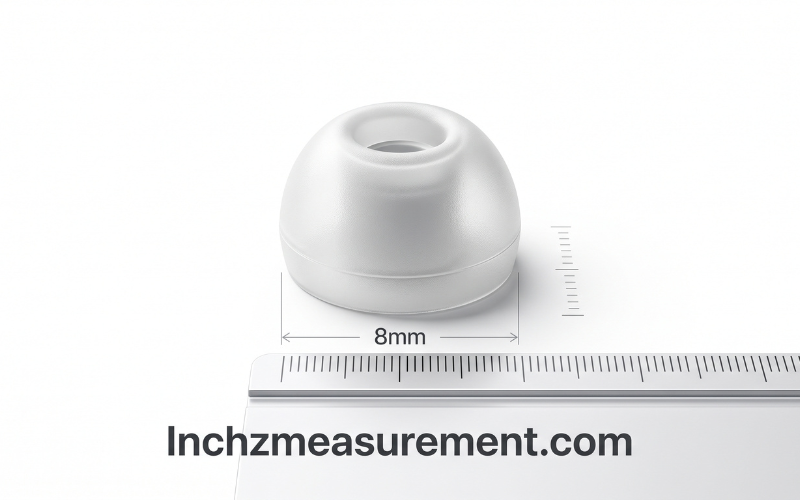
Most wireless earbuds include several silicone tips so users can choose the best fit. A medium tip often has an opening measuring around 8mm, though the exact figure depends on the earbud design.
A proper seal improves bass response while also reducing outside noise.
13. A Small Curtain Grommet
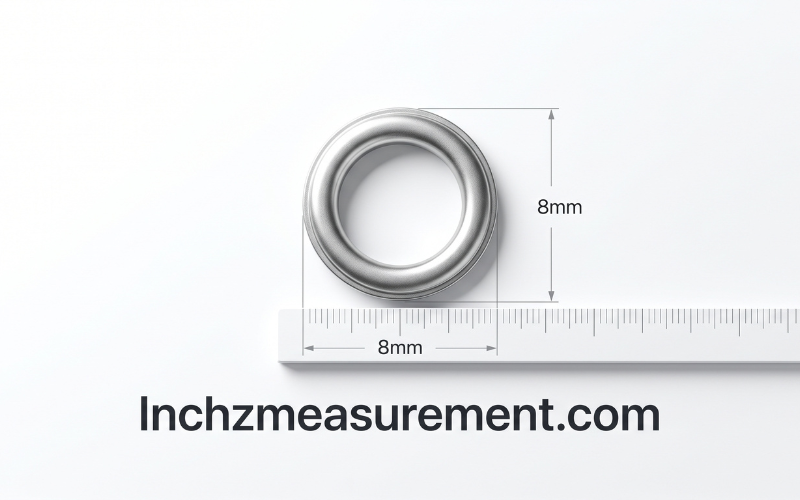
Lightweight curtains sometimes include compact metal or plastic grommets with an opening close to 8mm. These reinforced holes help prevent fabric from tearing where hooks or cords pass through.
The ring also spreads tension evenly across the fabric instead of concentrating it at one point.
14. A Leather Craft Hole Punch
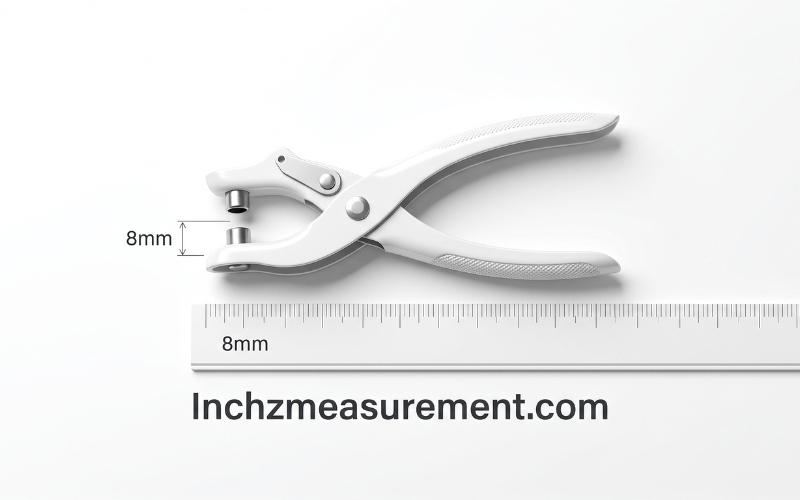
Leatherworkers use interchangeable punches to create clean circular holes in belts, wallets, straps, and handmade accessories. An 8mm punch produces a larger opening than those used for belt buckles, making it suitable for decorative lacing or thick cords.
A sharp punch cuts the material cleanly, leaving smooth edges that need very little finishing.
Why Does 8mm Matter?
Eight millimeters appears in many products because it sits in the middle of the small-size range. Engineers use it when designing fasteners, bearings, seals, and machine components that require consistent tolerances. Even a slight dimensional change can affect how two parts fit together.
Woodworking is another field where 8mm is common. Dowels, drill bits, and cabinet fittings often follow metric standards, allowing replacement parts from different manufacturers to work together.
Jewelry designers also work with 8mm pearls, beads, and decorative elements because this diameter creates a balanced appearance without looking too delicate or overly bold.
Outside professional trades, recognizing 8mm helps when buying replacement hardware, comparing online product specifications, or selecting tools for home repairs.
Frequently Asked Questions
Is 8mm considered a small measurement?
Yes. At 8 millimeters (0.8 cm or 0.315 inches), it falls into the small-size range. It’s commonly used for hardware, jewelry, craft supplies, and precision-made components.
How can I estimate 8mm without a ruler?
You can compare it to familiar items such as an 8mm pearl, an 8mm socket opening, or a wooden dowel of the same diameter. These everyday objects provide a practical way to picture the measurement.
Is 8mm bigger than 1/4 inch?
Yes. One-quarter inch equals 6.35mm, so 8mm is about 1.65mm larger than 1/4 inch.
What is 8mm equal to in centimeters?
Eight millimeters is equal to 0.8 centimeters. Since 10 millimeters make 1 centimeter, 8mm is just slightly smaller than a full centimeter.
Why is 8mm a common size?
Manufacturers use 8mm because it fits many standard metric components, including sockets, dowels, drill bits, and jewelry. Its versatility makes it a popular size in construction, woodworking, automotive repair, and crafts.
Which tool is best for measuring 8mm accurately?
A digital caliper is the most accurate tool for measuring 8mm. For everyday measurements, a metric ruler with millimeter markings is usually sufficient.
- How Long is 2 Feet? 10 Common Objects That Are About 2 Feet Long
- How Long is 3 Feet? 10 Common Objects That Are 3 Feet Long
- How Long is 4 Feet? 10 Common Objects That Are 4 Feet Long
Conclusion
How Big is 8mm? It may seem like a tiny measurement, but it appears in many everyday objects that most people use without noticing their exact dimensions. From an 8mm socket and wooden dowel to pearls, buttons, and silicone seals, these familiar examples make it much easier to picture what 8mm looks like in real life. Once you associate the measurement with real objects, estimating it becomes far more natural than relying on numbers alone.
Knowing the size of 8mm is useful for shopping, DIY repairs, woodworking, jewelry making, and many other everyday tasks. Whether you’re choosing replacement hardware, comparing product dimensions online, or working on a craft project, having a clear mental image of 8mm helps you make more accurate decisions without always reaching for a measuring tool.