
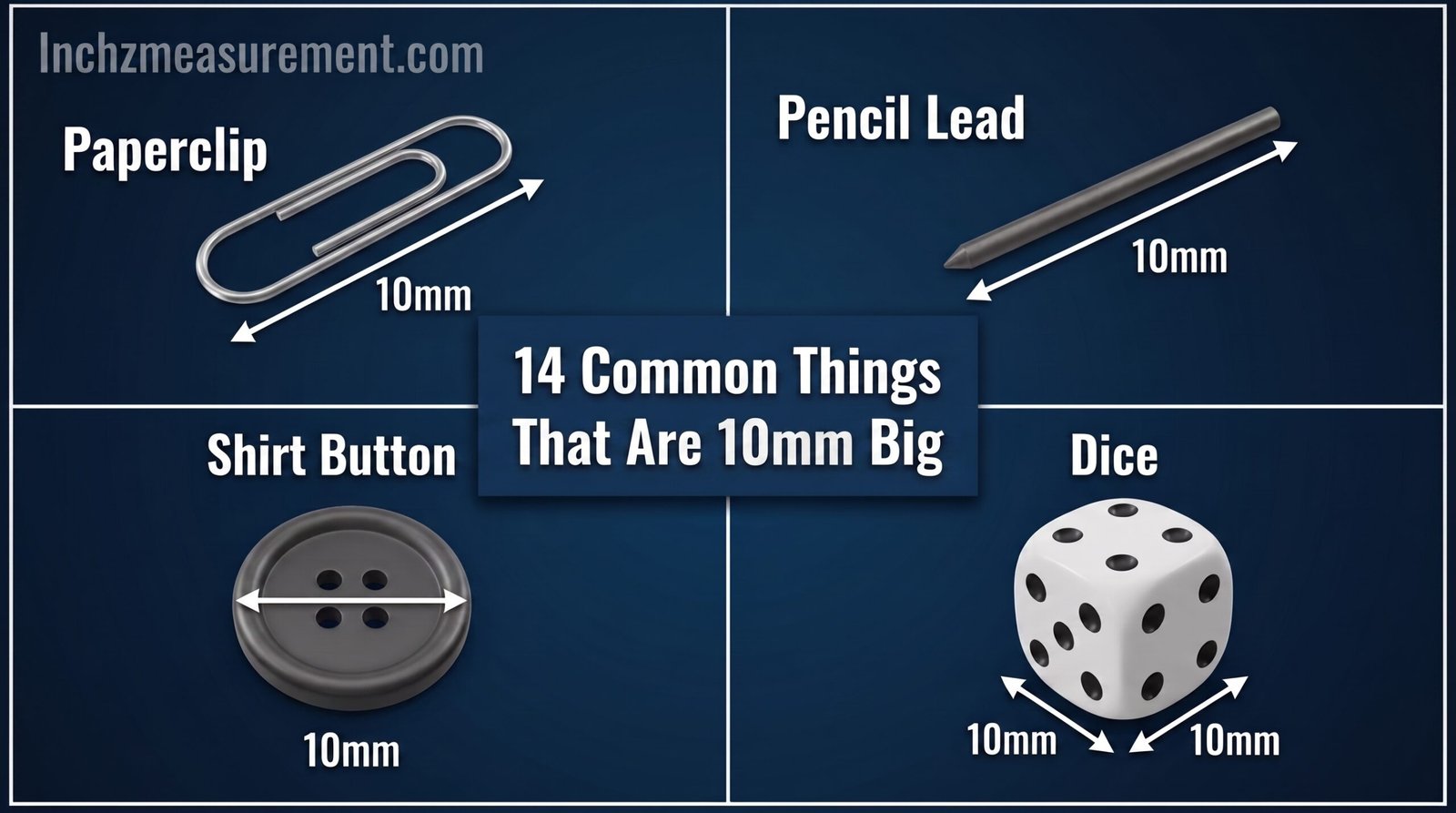
How Big is 10mm? A measurement of 10 millimeters is equal to 1 centimeter or about 0.39 inches. While the number itself is easy to understand, many people find it difficult to picture this size without something familiar to compare it with. That’s why everyday objects make such useful references.
Whether you’re measuring jewelry, hardware, craft materials, electronic components, or small household items, knowing what 10mm looks like helps you estimate dimensions more accurately. The examples below use recognizable objects that are close to 10mm, making it much easier to visualize this common measurement.
10mm Conversion Table
| Measurement Unit | Value |
| Millimeters | 10 mm |
| Centimeters | 1 cm |
| Inches | 0.394 in |
| Meters | 0.01 m |
| Feet | 0.0328 ft |
| Micrometers | 10,000 µm |
14 Common Objects That Are About 10mm Big
Finding it hard to picture 10mm without a ruler is completely normal. Looking at familiar everyday objects makes this small measurement much easier to understand. The examples below include a mix of standardized manufactured items and common objects that are about 10mm (1 centimeter) in size, giving you practical references for estimating this measurement in daily life.
1. The Diameter of a Standard Pencil Eraser
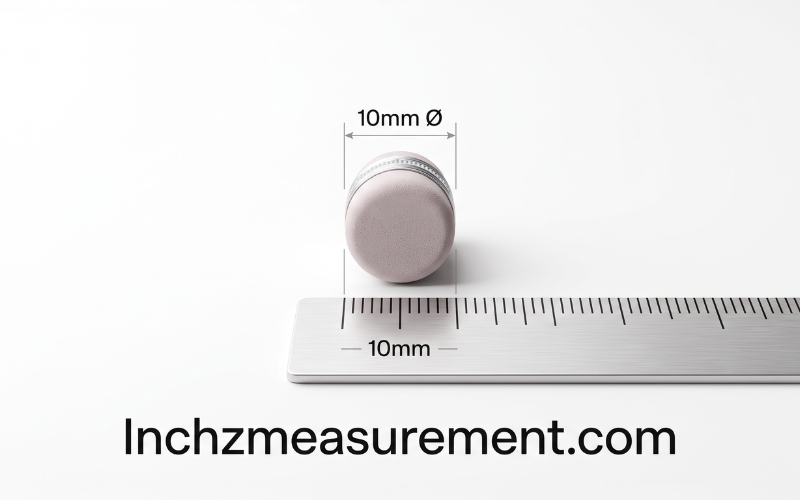
The eraser attached to many wooden pencils measures close to 10mm in diameter, although the exact size varies slightly by manufacturer. Since pencils are found in homes, schools, and offices worldwide, this is one of the easiest references for imagining 10mm.
If you look directly at the circular end of the eraser, you’re viewing an area that’s very close to this measurement.
2. A Large Green Pea
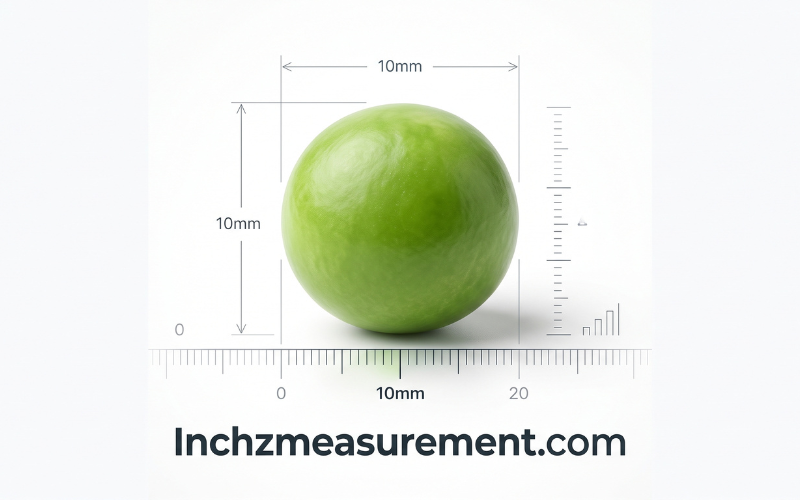
Fresh green peas vary in size, but larger peas often measure around 9–10mm across. They provide a simple food-based comparison that’s easy to picture.
Because peas are natural products, not every one will measure exactly 10mm, but many mature peas come remarkably close.
3. A Small Shirt Button
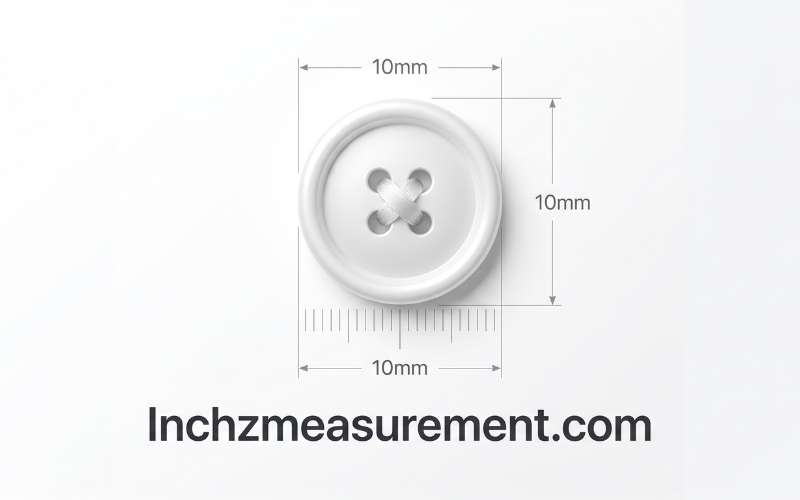
Many dress shirts use buttons ranging from 10–11mm in diameter, especially on collars or cuffs. Looking at one of these buttons offers a practical visual reference.
Button sizes differ depending on clothing style, so this comparison should be considered approximate rather than exact.
4. A Hex Nut for an M6 Bolt
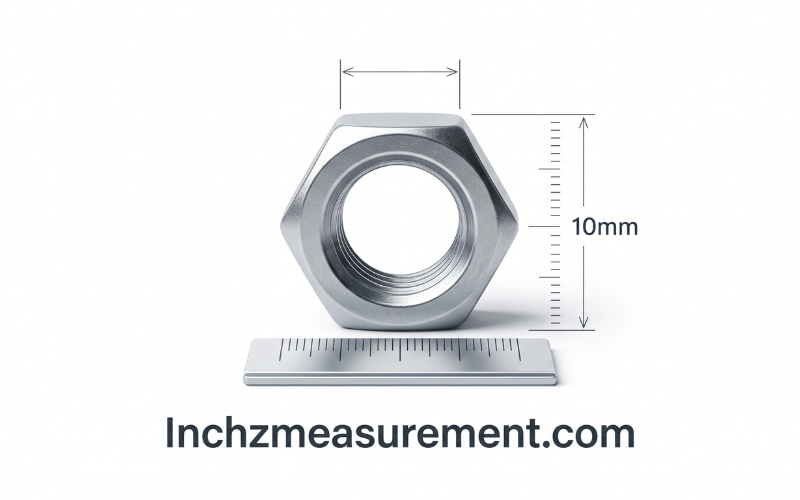
An M6 hex nut has dimensions larger than 10mm overall, but the inside threaded opening is designed for a 6mm bolt, while some visible sections are close to 10mm depending on the angle viewed. It serves as a useful hardware comparison when working with tools or fasteners.
This example is especially familiar to mechanics, engineers, and DIY enthusiasts.
5. A Standard Dice Corner-to-Corner Edge Detail
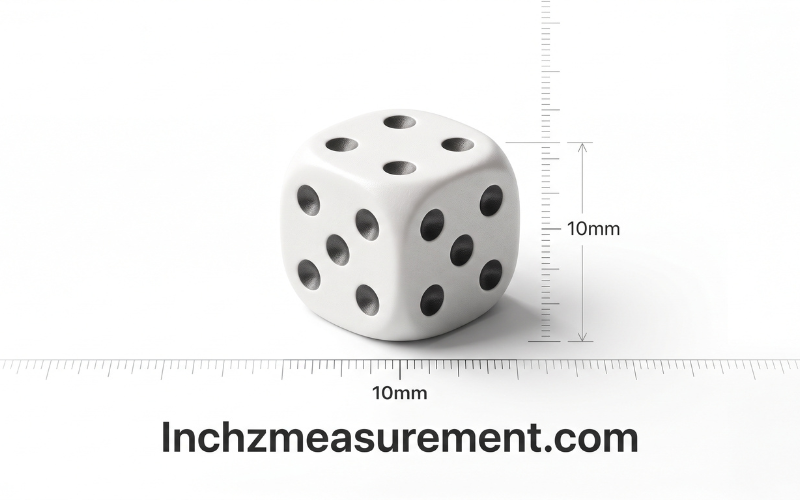
Although a standard game die is much larger than 10mm overall, some of its individual features—such as the spacing between pips or edge bevels—can help illustrate this measurement.
Rather than representing the whole die, this comparison focuses on a smaller section close to 10mm.
6. The Diameter of a Small Craft Pom-Pom
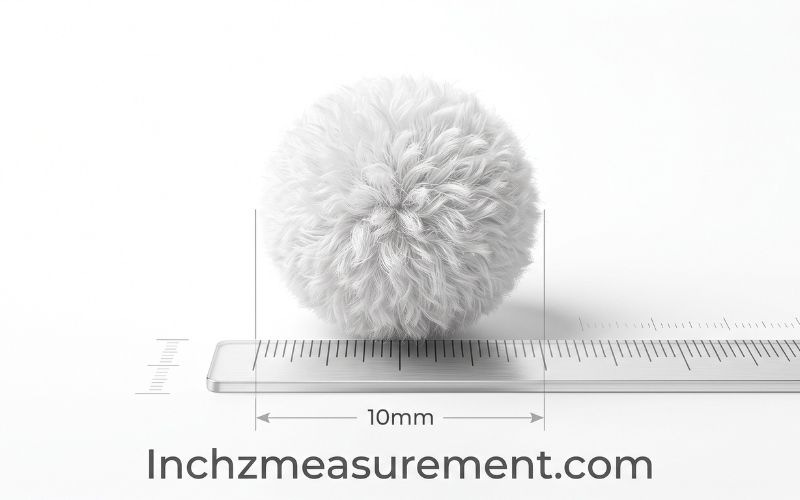
Craft stores sell pom-poms in many standard sizes, including 10mm. These colorful decorative balls are widely used for school projects, holiday decorations, and DIY crafts.
Manufactured craft pom-poms are often labeled by diameter, making them one of the more reliable references for this measurement.
7. A Jewelry Spacer Bead
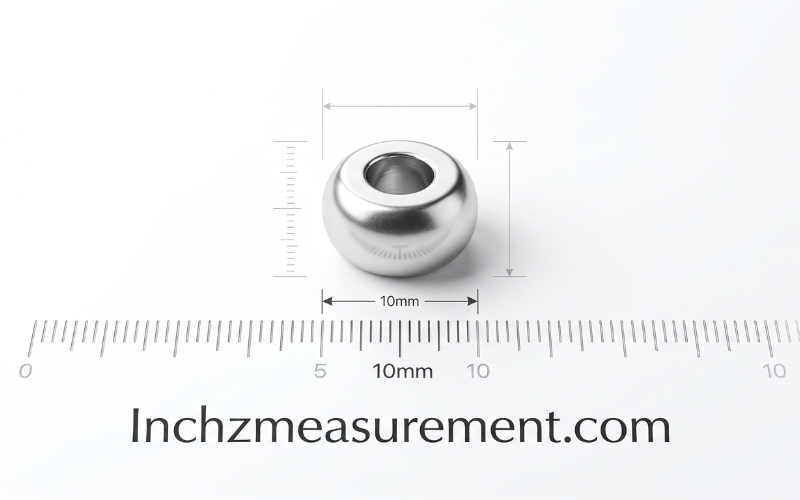
Metal spacer beads used in bracelets and necklaces are commonly available in 10mm sizes. Their consistent manufacturing makes them a dependable comparison.
Unlike handmade beads, these machine-produced components are designed to meet standard dimensions.
8. A 10mm Silicone Vacuum Hose (Inner Diameter)
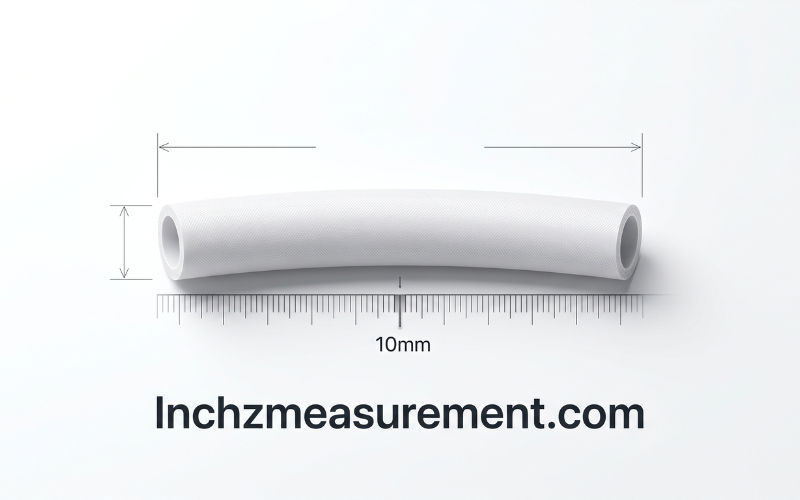
Small silicone vacuum hoses used in automotive systems, aquariums, and industrial equipment are often manufactured with a 10mm inner diameter. Since this is a standardized size, it offers a dependable real-world example of 10mm. Mechanics and hobbyists frequently encounter these hoses when replacing or routing tubing.
9. A 10mm Cabinet Shelf Support Cap
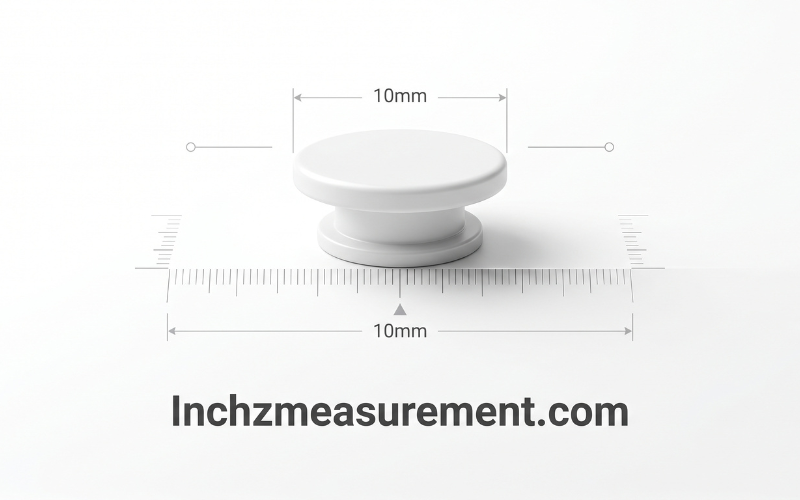
Many cabinet shelf support caps and plastic furniture plugs are produced in 10mm sizes to fit pre-drilled holes. These small hardware pieces are precisely manufactured, making them a reliable reference. If you’ve assembled flat-pack furniture, you’ve probably handled components close to this measurement.
10. A 10mm Wooden Dowel
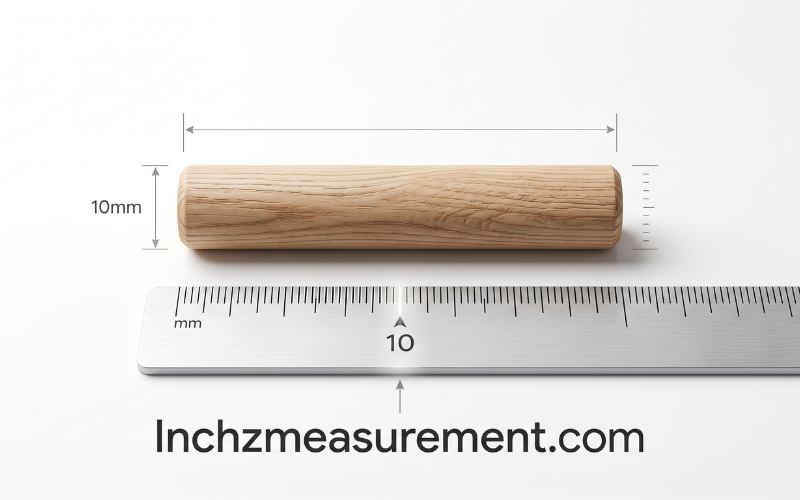
Wooden dowels are available in standardized diameters, and 10mm is one of the most common sizes for furniture making and woodworking. They are used to join wooden panels, strengthen joints, and align cabinet parts. Because the diameter is manufactured to specification, this is one of the most accurate 10mm comparisons.
11. A 10mm Socket Opening
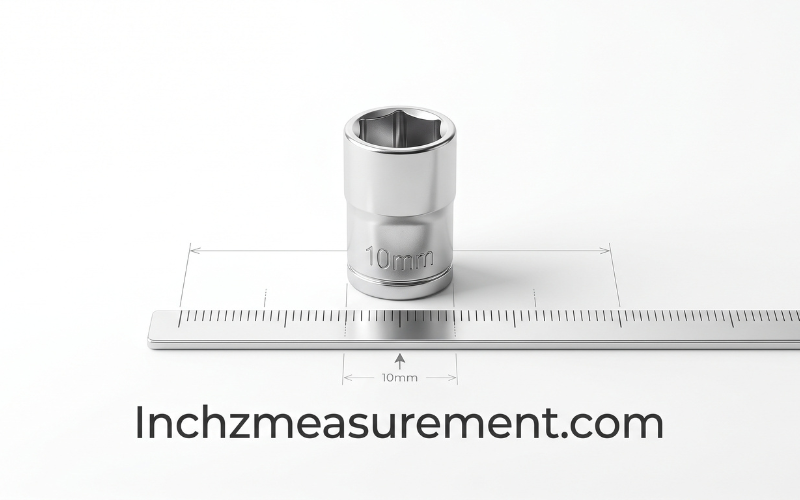
Anyone who has worked on a bicycle, motorcycle, or car has likely used a 10mm socket. The opening is designed specifically to fit a 10mm hex fastener, making it one of the best-known measurements in the tool world. Although the outside of the socket is larger, the working opening represents the exact measurement.
12. A 10mm Round Craft Magnet
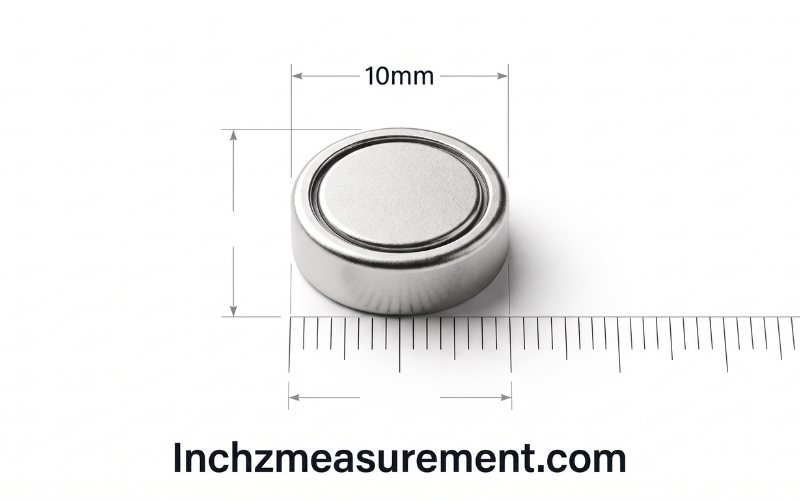
Round neodymium and ceramic magnets are commonly sold in 10mm diameters. These magnets are used for DIY projects, whiteboards, display boards, and crafts. Since manufacturers label them by diameter, they provide another dependable size reference.
13. A 10mm Glass Mosaic Tile
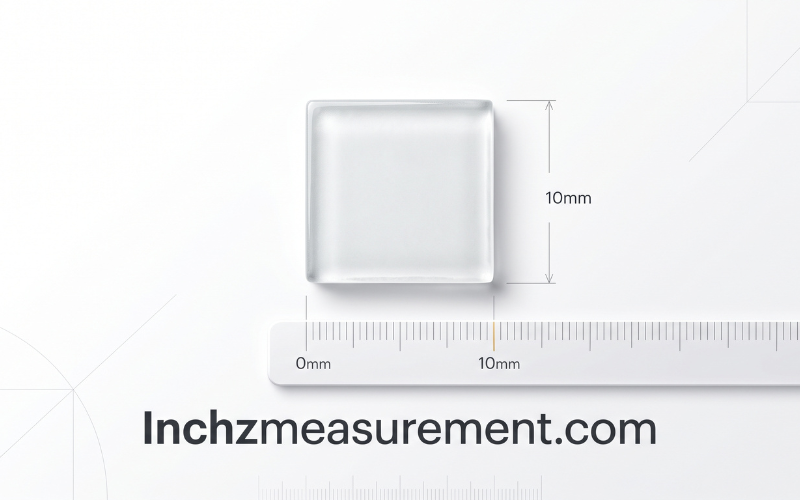
Many decorative mosaic tile collections include 10mm square glass tiles. These tiny tiles are popular in artwork, home décor, and craft projects. Their consistent manufacturing dimensions make them useful when visualizing 10mm.
14. A 10mm LED Diffuser Lens
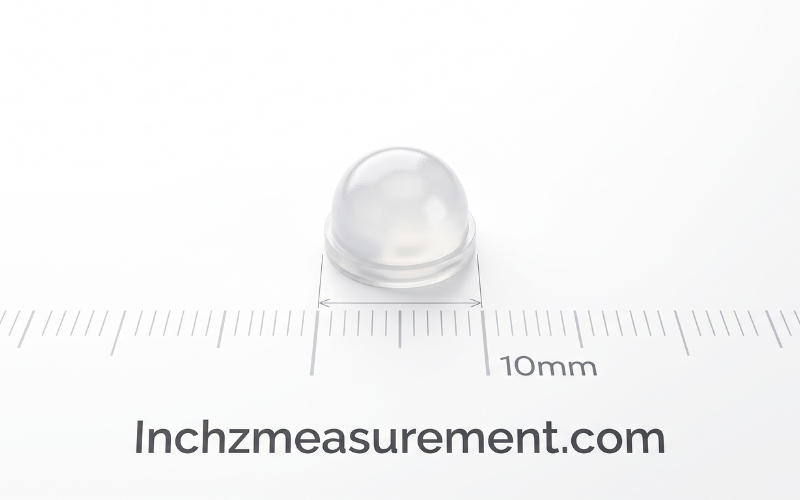
Small indicator lights and electronic panels often use 10mm LED diffuser lenses. These clear or colored plastic lenses fit over LEDs to spread light more evenly. Electronics suppliers list them by their exact diameter, making this another accurate manufactured example.
Quick Size Comparison Table
| Compared With | Approximate Size |
| Width of 1 centimeter | Same size |
| Diameter of a marble (small) | Close |
| Standard shirt button | About the same |
| Large pea | Around 10mm |
| Pencil eraser diameter | Close |
Practical Ways to Estimate 10mm Without a Ruler
Even if you don’t have a ruler nearby, estimating 10mm becomes easier once you’re familiar with common references. Compare the measurement to a 1-centimeter line on graph paper, the diameter of a 10mm wooden dowel, or a 10mm craft magnet. Manufactured objects with standardized dimensions tend to be more dependable than natural items because they are produced to fixed specifications.
If precision matters—for example, when buying hardware, selecting jewelry, or working on a DIY project—use a ruler or digital caliper to confirm the measurement. Everyday comparisons are helpful for visualization, but measuring tools provide the accuracy needed for technical tasks.
Frequently Asked Questions
Is 10mm the same as 1 centimeter?
Yes. Since 10 millimeters equal 1 centimeter, the two measurements represent exactly the same length in different metric units.
How many inches is 10mm?
Ten millimeters is approximately 0.394 inches, or just under 0.4 inches.
Is 10mm a common measurement?
Yes. It’s widely used in automotive tools, woodworking, jewelry, electronics, construction, and DIY projects because many parts and accessories are manufactured to this standard size.
What measuring tool is best for checking 10mm?
A digital caliper provides the highest accuracy for measuring 10mm. A metric ruler is also suitable for everyday measurements.
Why are so many tools labeled 10mm?
Many bolts, nuts, sockets, and fittings are manufactured according to metric standards. The 10mm size has become one of the most commonly used dimensions in mechanical and household applications.
Can I estimate 10mm without a ruler?
Yes. If you’re familiar with common 10mm objects—such as a 10mm craft magnet, wooden dowel, or socket opening—you can make a close visual estimate. For precise work, however, a measuring tool should always be used.
Is 10mm considered large or small?
In everyday measurements, 10mm is considered small. It’s large enough to be clearly visible and easy to handle, yet compact enough for detailed work such as jewelry making, electronics, and precision hardware.
Where is the 10mm measurement most commonly used?
You’ll commonly find 10mm measurements in home improvement, furniture assembly, automotive repairs, plumbing, engineering, manufacturing, and craft projects, where standardized metric sizes help ensure compatibility.
- How Long is 40 Inches? 10 Common Objects That Are 40 Inches Long
- How Long is 41 Inches? 10 Common Objects That Are 41 Inches Long
- How Long is 42 Inches? 10 Common Objects That Are 42 Inches Long
Conclusion
A 10mm measurement appears in countless everyday products, from woodworking dowels and socket tools to magnets, shelf supports, and electronic components. Comparing it with familiar manufactured items makes the size much easier to picture than relying on numbers alone.
Learning to recognize 10mm by sight is useful for home improvement, shopping, crafts, repairs, and many other activities. While everyday objects provide convenient visual references, using a measuring tool remains the most reliable way to confirm exact dimensions whenever accuracy is important.