
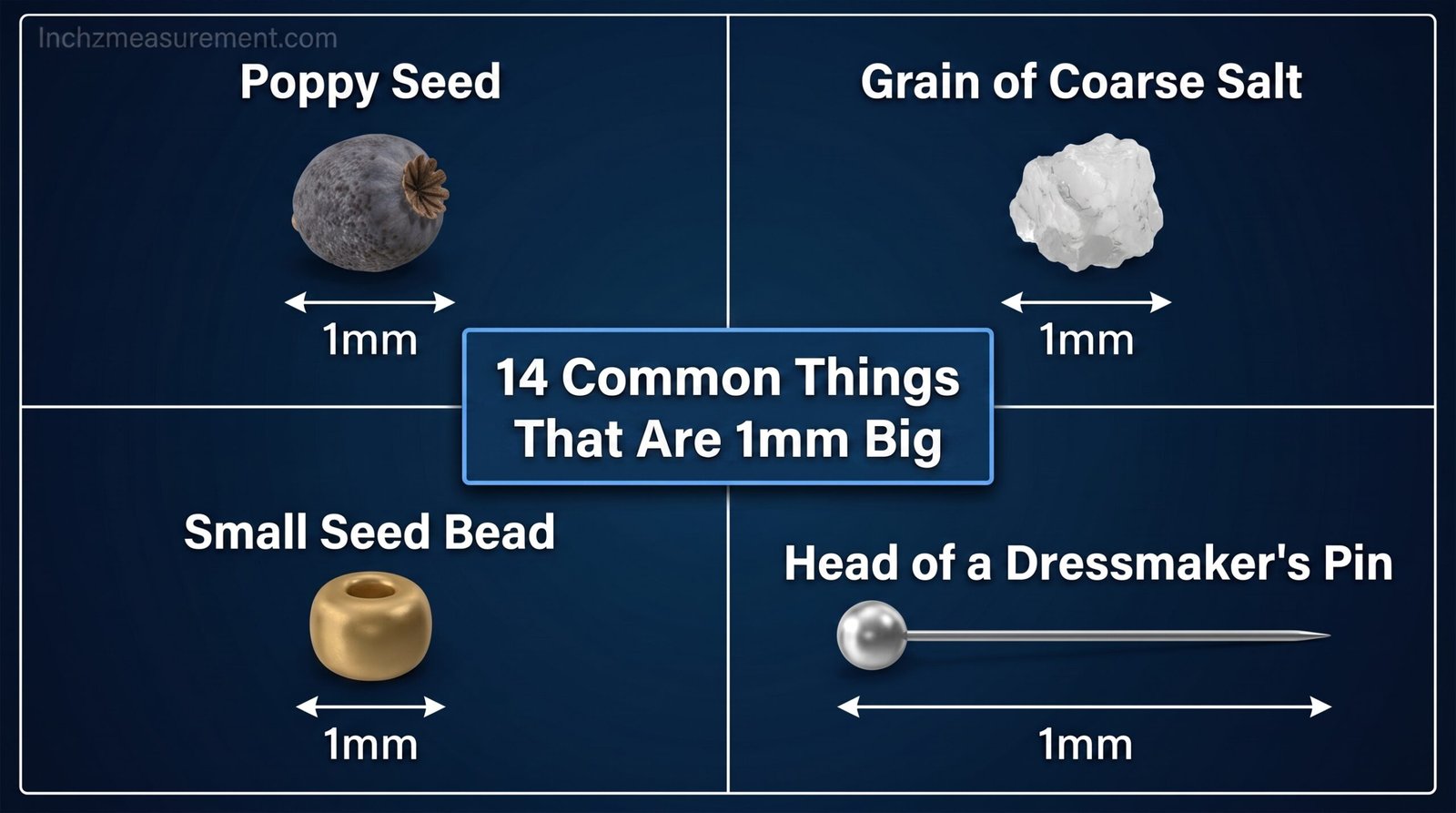
How Big is 1mm? One millimeter (1 mm) is a tiny unit of length in the metric system. Although it is very small, it is one of the most commonly used measurements in everyday life. From engineering and construction to jewelry making, medicine, sewing, and school projects, the millimeter helps people measure small objects with great accuracy.
Since 1 mm is difficult to imagine without a ruler, comparing it with familiar objects makes it much easier to understand. In this guide, you’ll discover what 1 mm looks like, how it compares to other units, and 14 common objects that are approximately 1 mm in size or thickness.
What Is 1mm?
A millimeter is one-thousandth of a meter and one-tenth of a centimeter. It is represented by the symbol mm.
Here are some simple conversions:
| Unit | Equivalent to 1 MM |
|---|---|
| Millimeters | 1 mm |
| Centimeters | 0.1 cm |
| Meters | 0.001 m |
| Inches | 0.03937 inches |
| Micrometers | 1,000 µm |
Because it is such a small measurement, professionals often use millimeters instead of centimeters when greater precision is required.
Why Is It Helpful to Understand 1mm?
Knowing the size of 1mm can help in many everyday situations, including:
- Buying jewelry
- Reading ruler measurements
- DIY home improvement projects
- Sewing and knitting
- School science projects
- Engineering drawings
- Photography equipment
- Electronics repair
Understanding this tiny measurement also makes it easier to compare product dimensions when shopping online.
14 Common Objects That Are About 1mm
1. The Thickness of a Credit Card
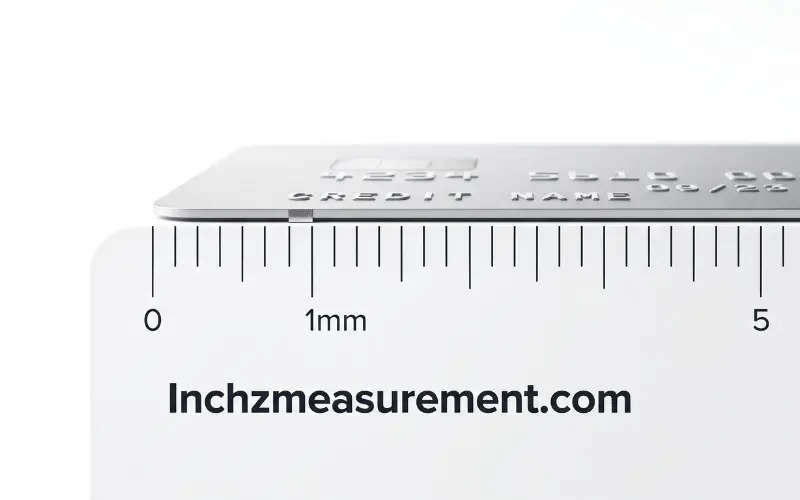
A standard plastic credit or debit card is approximately 0.76 mm thick, making it one of the closest everyday objects to 1 mm. Although it is slightly thinner than a full millimeter, it provides an excellent visual reference.
Whenever you hold a credit card in your hand, imagine adding just a tiny amount of thickness—that is very close to 1 mm.
People frequently use this comparison because nearly everyone has access to a credit or debit card.
2. A 0.9 MM Mechanical Pencil Lead
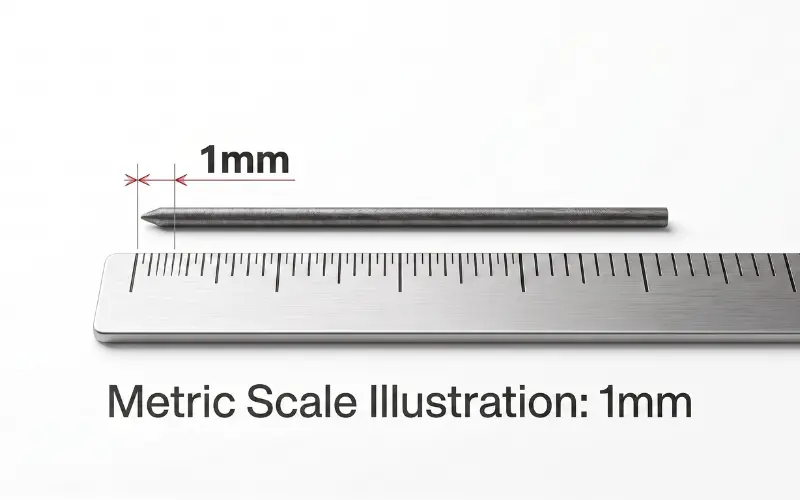
Mechanical pencils are available in several lead sizes, including 0.3 mm, 0.5 mm, 0.7 mm, 0.9 mm, and 1.0 mm.
A 0.9 mm or 1.0 mm pencil lead is one of the easiest ways to visualize a measurement of around 1 mm. Students, artists, architects, and engineers use these pencils every day, making them a familiar comparison.
3. Thick Paperboard
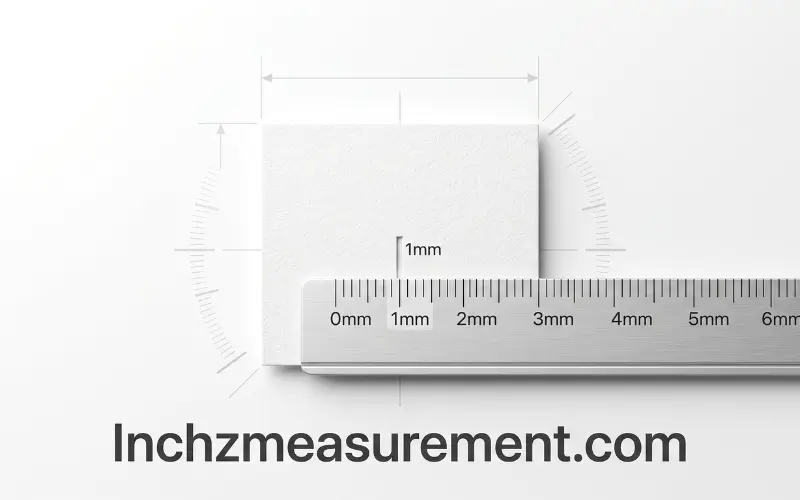
Paperboard used for greeting cards, packaging, and product boxes is often close to 1 mm thick, depending on the manufacturer.
If you’ve ever held a sturdy gift box or premium product packaging, you’ve probably handled material that measures approximately 1 mm.
4. The Edge of a Small Coin
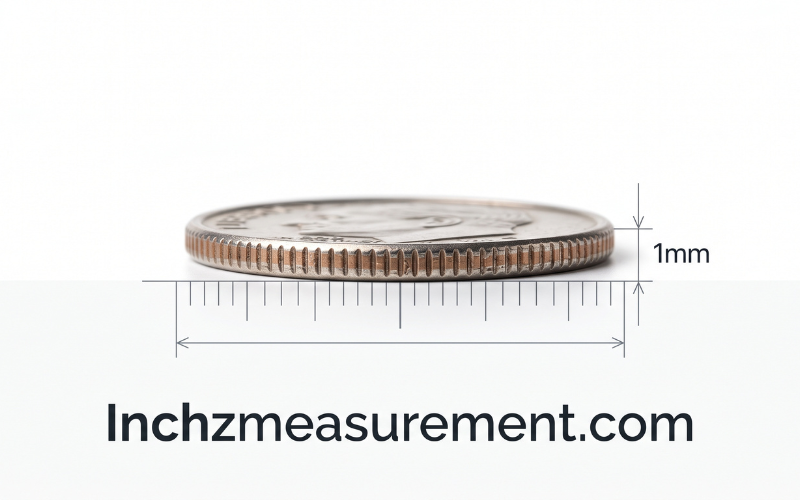
Although the thickness of coins varies from country to country, the edge of some smaller coins is close to 1 mm. This makes a coin a handy everyday reference when you don’t have a ruler nearby.
For example, lightweight aluminum or thin steel coins are often manufactured with a thickness that is very close to one millimeter. While not every coin measures exactly 1 mm, many fall within a similar range, making them useful for estimating small dimensions.
Coins are also convenient because they are durable, easy to carry, and commonly available. If you compare the edge of a thin coin with a ruler marked in millimeters, you’ll quickly understand how small this measurement really is.
5. A Piece of Plastic Packaging
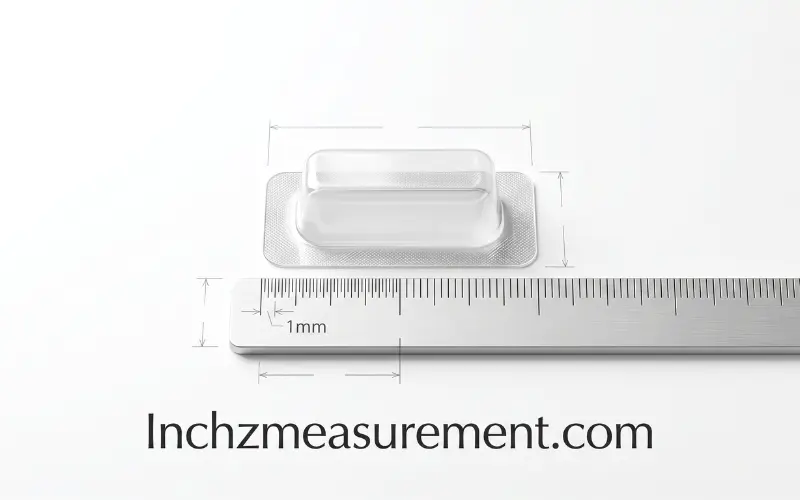
Many clear plastic packages used for toys, electronics, and household items are made from plastic sheets that are around 1 mm thick.
Although some packaging materials are thinner, stronger protective plastic often reaches approximately one millimeter. This thickness provides enough strength to protect products during shipping while remaining lightweight.
Examples include:
- Toy packaging
- Electronic accessory boxes
- Cosmetic packaging
- Food containers
- Storage box lids
Looking at these plastic materials helps you recognize how thick 1 mm feels in everyday life.
6. Thin Jewelry Wire
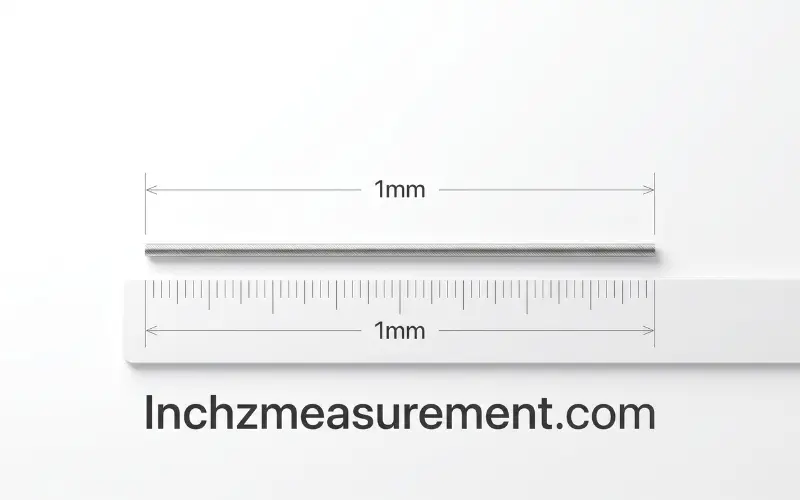
Jewelry makers frequently use wire measuring 1 mm in diameter for necklaces, bracelets, earrings, and decorative crafts.
A 1 mm jewelry wire is flexible enough to bend but strong enough to hold beads and gemstones securely. It is a popular size because it balances durability with ease of use.
If you’ve ever made handmade jewelry or visited a craft store, you’ve likely seen wire labeled “1.0 mm.” This provides one of the most accurate real-world examples of a 1 mm measurement.
7. The Thickness of a Guitar Pick
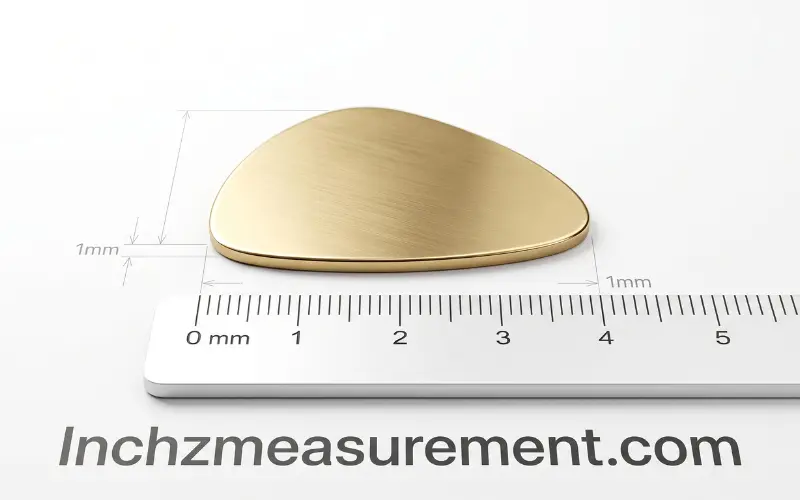
Many standard guitar picks are available in thicknesses ranging from 0.88 mm to 1.0 mm.
A medium-heavy or heavy guitar pick measuring about 1 mm offers a perfect visual comparison. Musicians often prefer thicker picks because they provide better control and produce a fuller sound.
If you play guitar, simply holding a 1 mm pick gives you an instant understanding of how small this measurement is.
8. A Small Seed
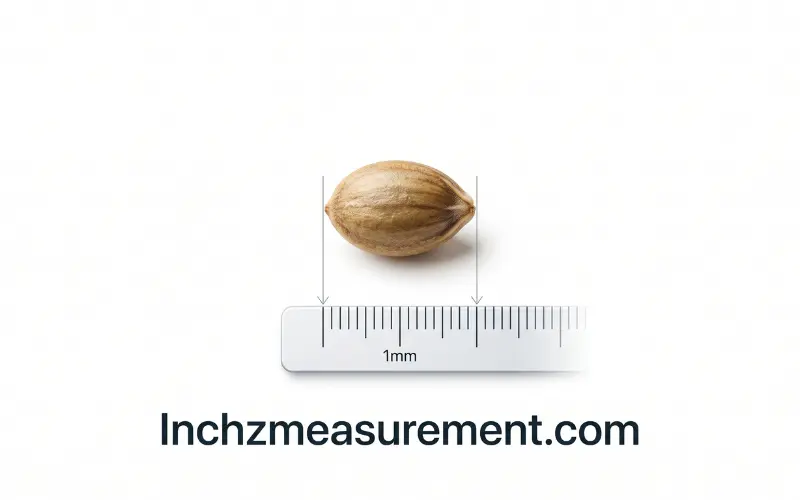
Some tiny seeds, such as certain herb or flower seeds, measure about 1 mm across.
For example, seeds from plants like thyme or oregano can be close to one millimeter in size. Although seed sizes naturally vary, these tiny examples demonstrate just how incredibly small 1 mm really is.
Gardeners and farmers often work with seeds measured in millimeters because even slight differences in size can affect planting depth and spacing.
These miniature seeds remind us that many objects in nature are measured using millimeters rather than centimeters or inches.
9. A Fine Sewing Needle
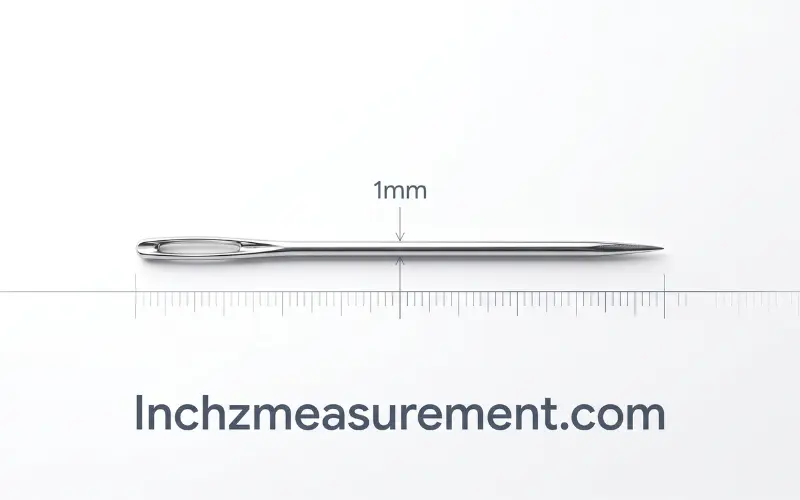
A fine sewing needle has a shaft that measures close to 1 mm in diameter. While different needle sizes vary slightly, many hand-sewing needles provide a useful comparison for understanding this tiny measurement.
Tailors, fashion designers, and hobbyists rely on millimeter measurements to select the right needle for different fabrics. A difference of even half a millimeter can affect stitching quality and fabric appearance.
10. A Thin Electrical Wire
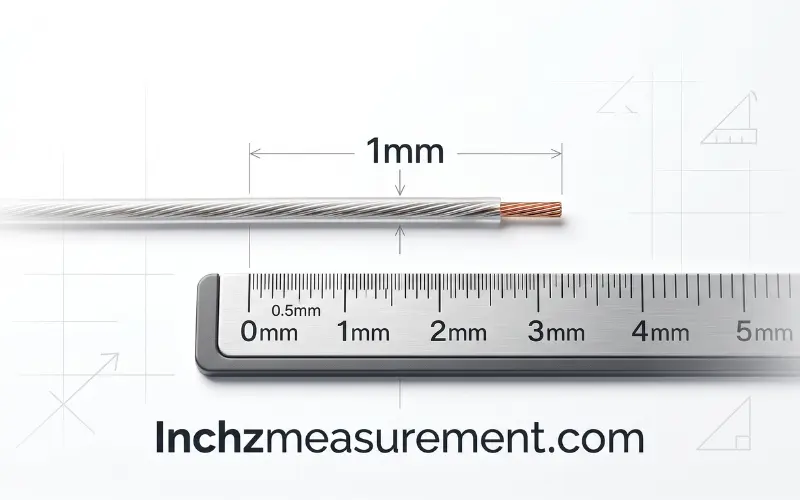
Many electrical wires have insulation with an overall diameter close to 1 mm, especially those used in small electronic devices.
These wires are commonly found in:
- Earphones
- Small chargers
- LED lights
- Computer accessories
- DIY electronic projects
Engineers and electricians frequently measure wire thickness in millimeters because accuracy is essential for safety and performance.
11. A Small Screw Thread
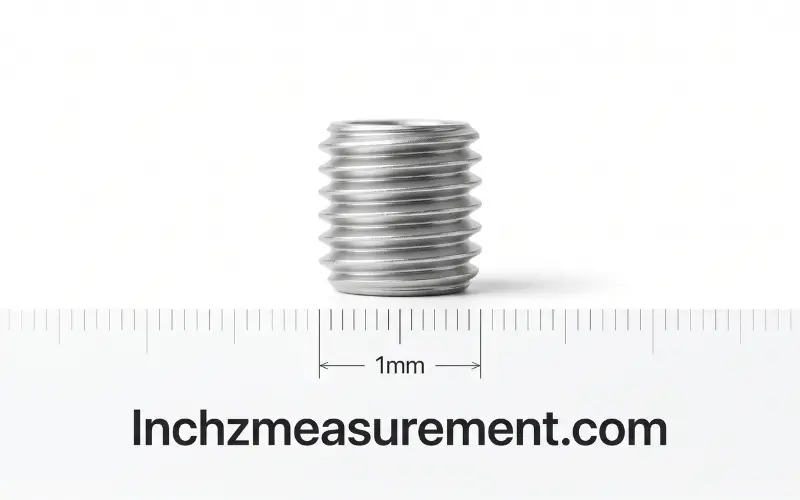
The spacing between the threads of some miniature screws is approximately 1 mm. These screws are commonly used in electronics, cameras, eyeglasses, and precision equipment.
Tiny screws may look almost identical, but a difference of just 1 mm in thread spacing can determine whether a screw fits correctly. This is why manufacturers specify millimeter measurements for hardware components.
12. A Watch Component
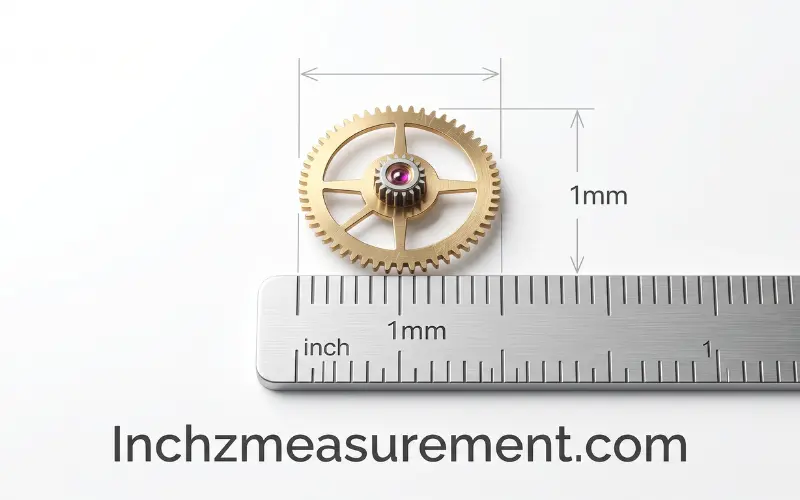
Mechanical watches contain many gears, pins, and tiny metal parts that measure around 1 mm.
Watchmakers use specialized tools capable of measuring fractions of a millimeter because even the smallest error can affect the movement of the watch. This demonstrates how important 1 mm is in precision engineering.
13. The Gap Between Keyboard Keys
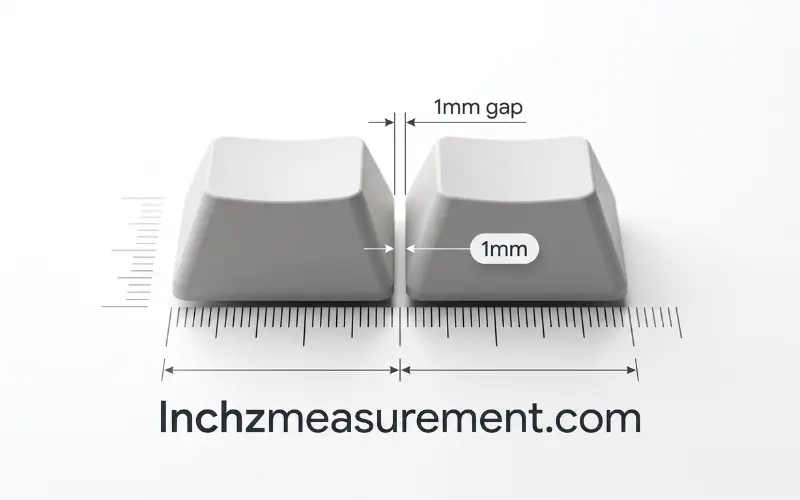
The narrow space between many computer keyboard keys is close to 1 mm.
Although keyboard designs differ by brand, these small gaps help prevent accidental key presses while keeping the keyboard comfortable to use. Looking closely at your keyboard provides another practical way to imagine the size of 1 mm.
14. A Sheet of Craft Foam
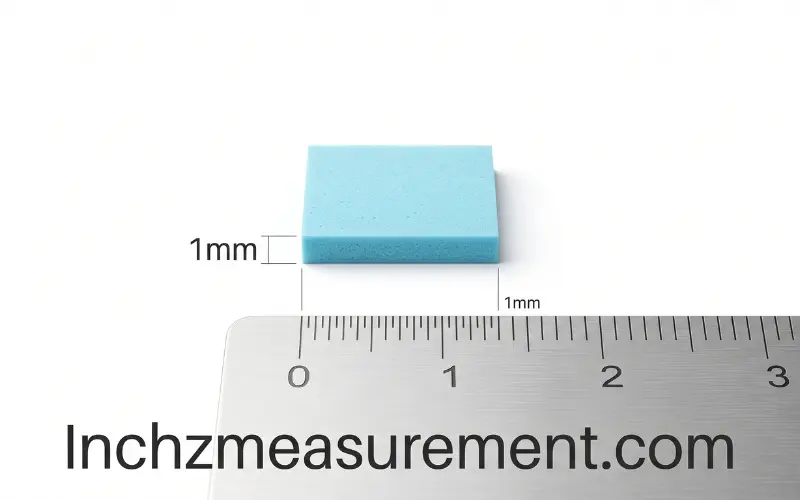
Thin craft foam used in school projects and DIY decorations is often manufactured in 1 mm thickness.
Because it is lightweight and easy to cut, this foam is popular for:
- Children’s crafts
- Greeting cards
- Scrapbooking
- Decorations
- Model making
If you’ve ever used craft foam, you’ve probably handled a material that is approximately 1 mm thick.
How to Measure 1mm Without a Ruler
If you don’t have a ruler, you can estimate 1 mm by comparing it with common objects around you. A 1.0 mm mechanical pencil lead, a heavy guitar pick, thin craft foam, or jewelry wire can all provide a close visual reference.
You can also use digital calipers or a measuring app for greater accuracy when precision is important.
1 MM Compared With Other Measurements
| Measurement | Comparison |
|---|---|
| 1 mm | 0.1 cm |
| 2 mm | Twice as long as 1 mm |
| 5 mm | Half a centimeter |
| 10 mm | 1 centimeter |
| 25.4 mm | 1 inch |
Frequently Asked Questions
How big is 1 mm?
One millimeter (1 mm) is a metric unit of length equal to 0.1 centimeters, 0.001 meters, or 0.03937 inches. It is commonly used to measure very small objects with precision.
What is an example of something that is 1 mm?
A 1.0 mm mechanical pencil lead, thin craft foam, jewelry wire, and some guitar picks are all close to 1 mm in thickness or diameter.
How many millimeters are in 1 centimeter?
There are 10 millimeters (10 mm) in 1 centimeter (1 cm).
How many millimeters are in 1 inch?
One inch is equal to 25.4 millimeters (25.4 mm).
Can I measure 1 mm without a ruler?
Yes. You can estimate 1 mm by comparing it to everyday objects like a 1.0 mm mechanical pencil lead, thin jewelry wire, or sturdy paperboard. For precise measurements, use a metric ruler or digital calipers.
Why is 1 mm an important measurement?
A 1 mm measurement is important because it provides the precision needed in industries such as engineering, construction, medicine, jewelry making, electronics, and manufacturing.
Is 1 mm very small?
Yes. One millimeter is a very small measurement, making it ideal for measuring tiny objects, narrow gaps, thin materials, and detailed components.
What professions commonly use millimeters?
Millimeters are commonly used by engineers, architects, carpenters, jewelers, doctors, dentists, machinists, designers, and manufacturers because they require accurate measurements.
- How Long is 11 Inches? 10 Common Things That Are 11 Inches Long
- How Long is 12 Inches? 10 Common Objects That Are 12 Inches Long
- How Long is 13 Inches? 10 Common Things That Are 13 Inches Long
Conclusion
How Big is 1mm? Although 1 millimeter is a tiny unit of measurement, it plays a significant role in everyday life. From measuring jewelry and electronic components to crafting, sewing, and construction, understanding the size of 1 mm helps improve accuracy and precision.
By comparing 1 mm with familiar objects such as a 1.0 mm mechanical pencil lead, thin jewelry wire, craft foam, paperboard, guitar picks, and plastic packaging, you can easily visualize this small measurement without always needing a ruler. These real-world examples make it much easier to estimate dimensions in daily tasks.
Whether you’re a student, DIY enthusiast, engineer, or simply curious about measurements, knowing what 1 mm looks like is a valuable skill. The next time you come across a product labeled 1 mm, you’ll have a clear understanding of its size and be able to make more informed decisions.